Don’t Sleep on These Independent Films This Summer
McKenzie highlights some of her most anticipated independent films hitting theaters this summer that you should add to your watchlist.
Analysts are predicting a $4B summer for the box officein major part due to tentpole releases like Disclosure Day, Toy Story 5, Supergirl, The Odyssey, and Spider-Man: Brand New Day. We are excited about those films, but we wanted to highlight some smaller, independent films to add to your watchlists.
Leviticus | Dir. Adrian Chiarella
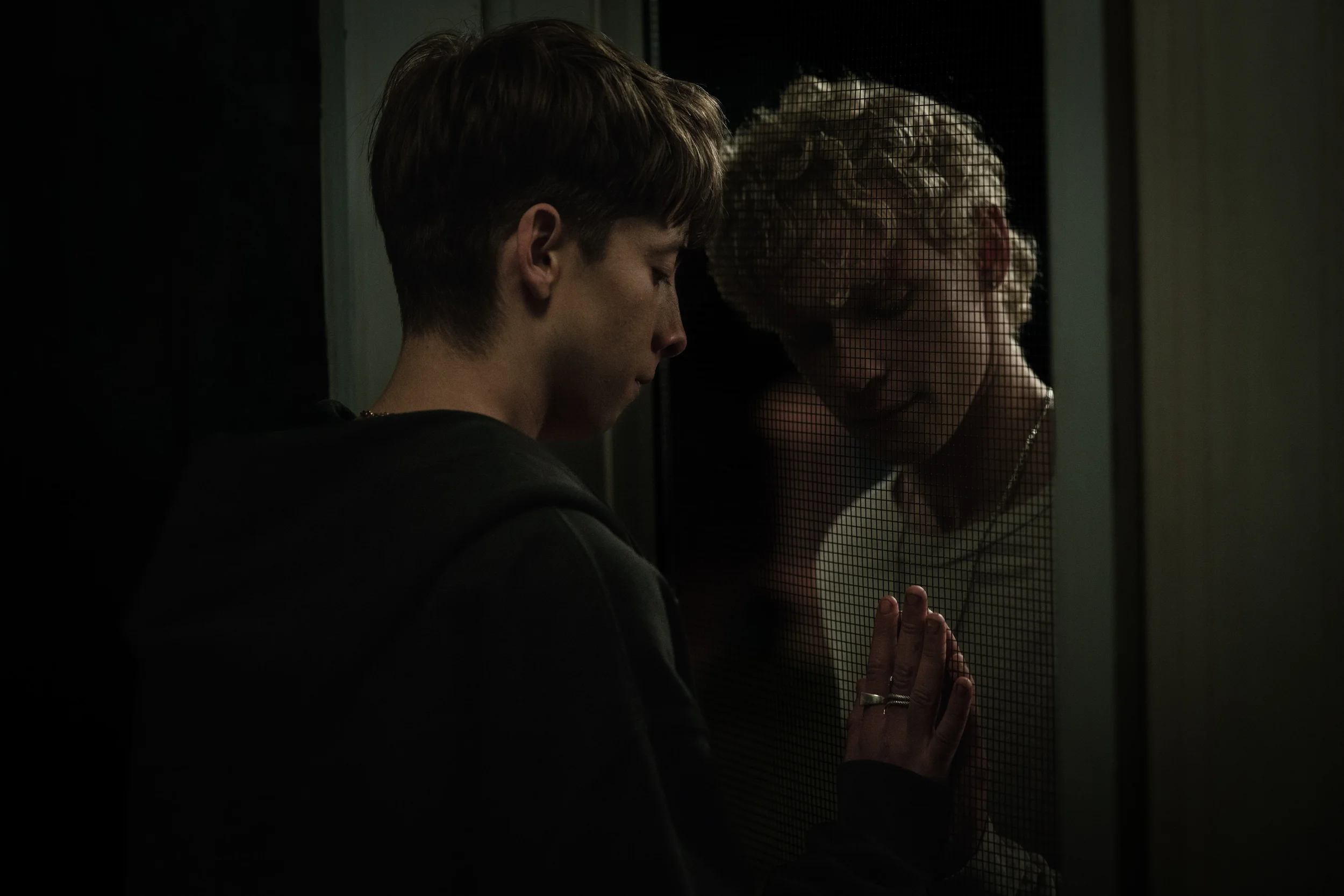
Leviticus is the debut feature film from Australian writer & director Adrian Chiarella. This queer, coming-of-age, psychological horror follows two young men who are in love with one another, but threatened to be torn apart by a malevolent entity that that takes the form of who they most desire: each other.
Leviticus premiered earlier this year at the Sundance Film Festival to strong critical praise. As of writing this, the film boasts a 94% on Rotten Tomatoes and an 83 on MetaCritic. Newcomer Joe Burns (who made a splash in 2022’s Talk To Me) is receiving universal praise for his work in the film, with Alan French of FandomWire noting the film is worth watching for Bird’s performance alone. Critics are calling this film emotional, poignant, and complex without sacrificing the scares you want from a horror film like this.
Leviticus opens in limited release on June 19, 2026
Maddie’s Secret | Dir. John Early
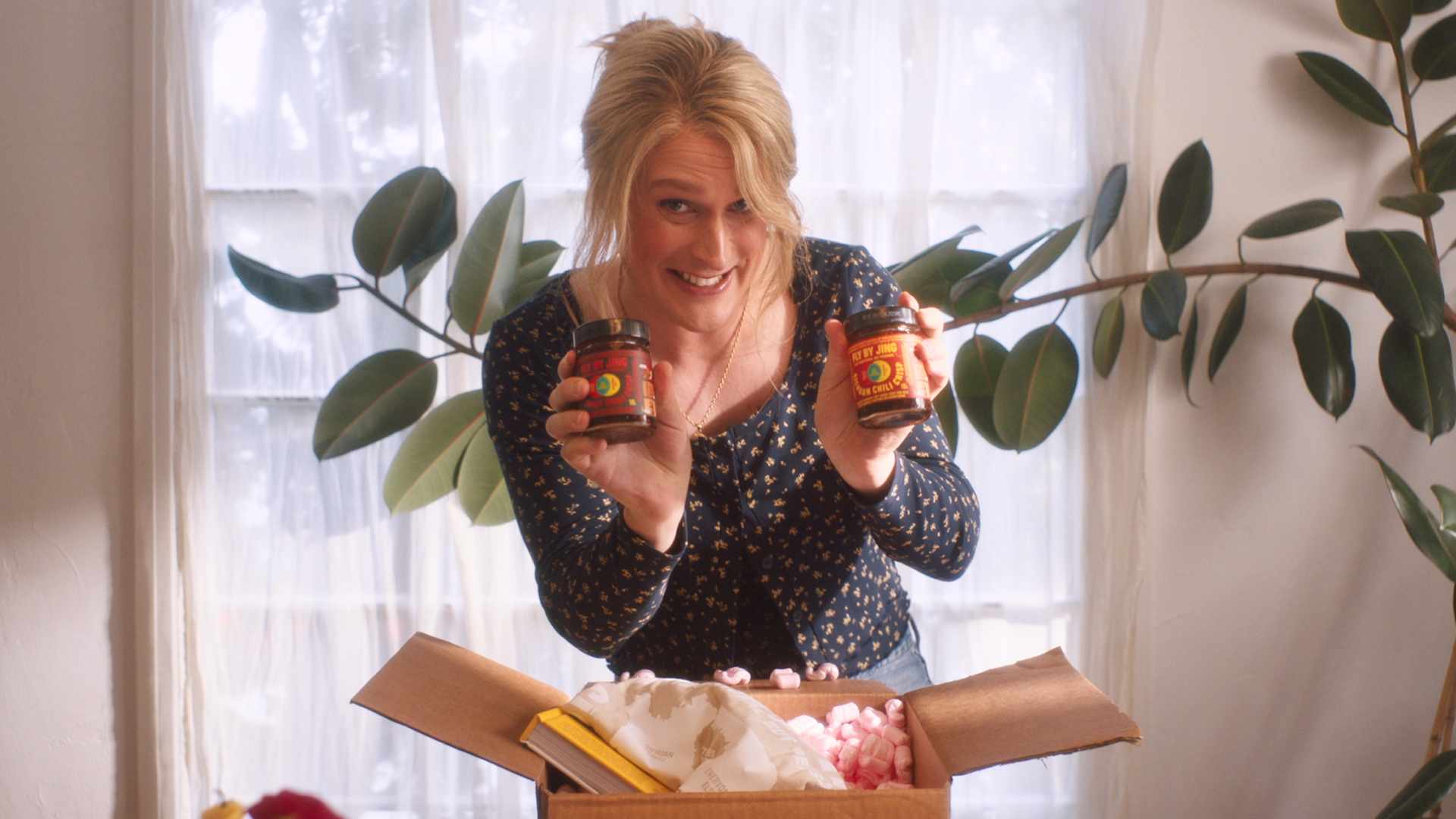
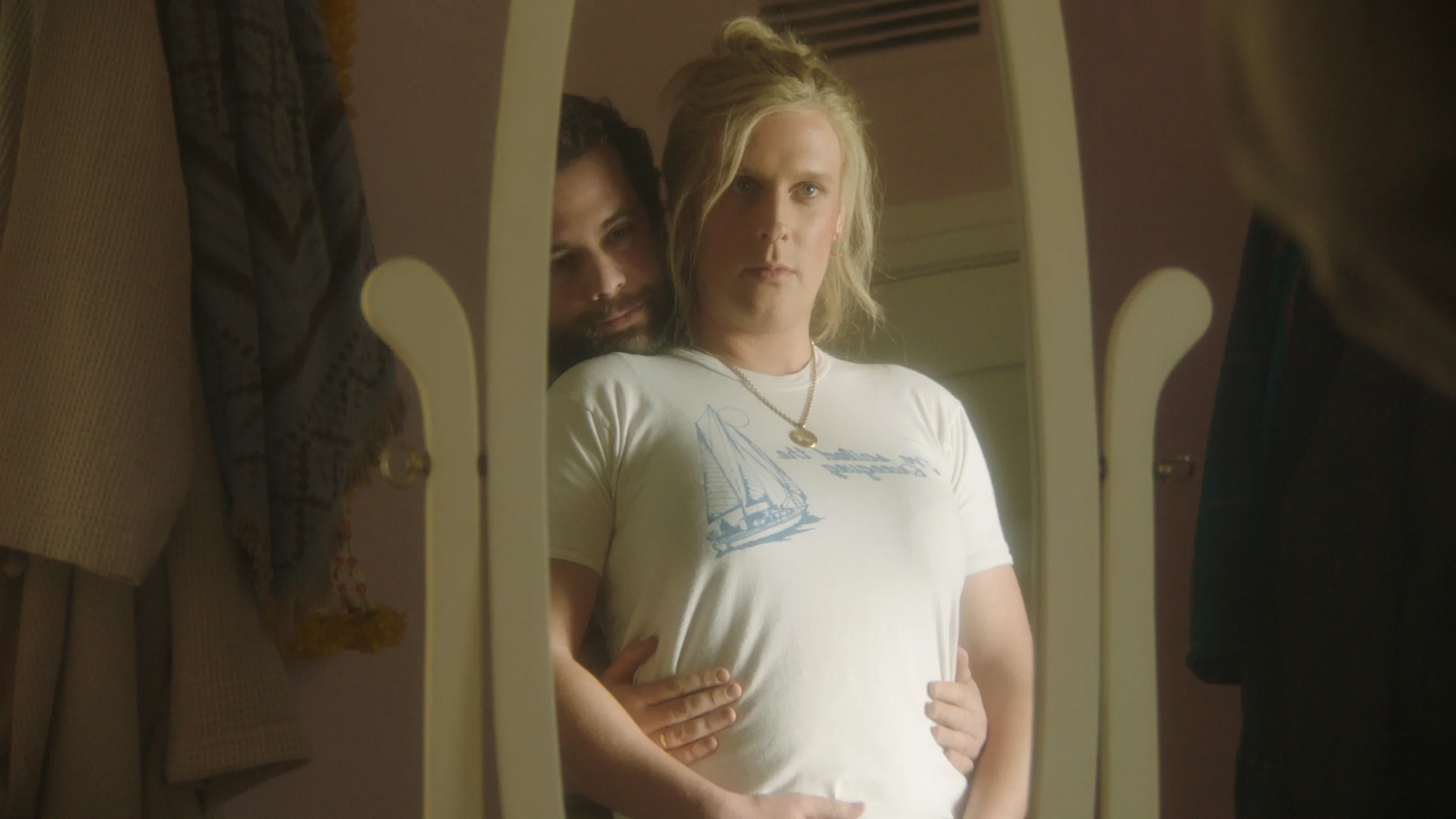
Comedian John Early makes his directorial debut with Maddie’s Secret, described as, “a food influencer secretly struggles with bulimia.” Early not only wrote and directed the film, but will star as the titular Maddie alongside his longtime creative partner Kate Berlant, Eric Rahill, Kirsten Johnston, and Connor O’Malley.
The Ringer’s Adam Nayman said this was his favorite watch coming out of the Toronto International Film Festival last Fall, saying, “[the film] wears its thriftiness and spontaneity on its sleeve alongside its influences; it’s a loving pastiche of after-school specials featuring Early in a remarkably assured and tender distaff performance.” At the premiere, Nayman notes that Early cited filmmakers such as Paul Verhoeven, Todd Haynes, and David Wain and influences on his style. If you’re a fan of queer, alt-comedy then you absolutely should prioritize getting to the theaters for this one.
Maddie’s Secret opens in limited release on June 19, 2026
The Invite | Dir. Olivia Wilde
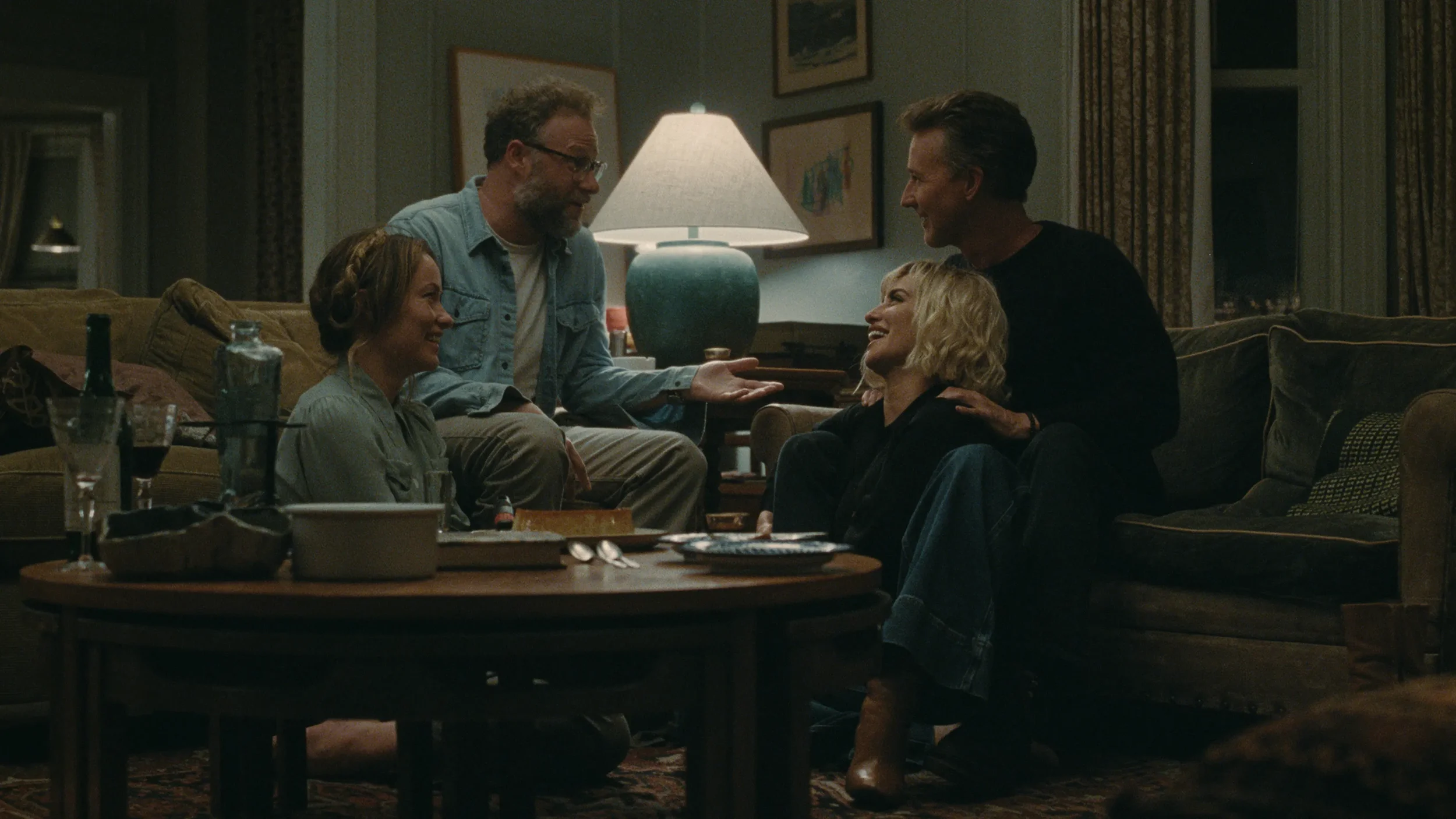
This remake of the 2020 Spanish film The People Upstairs is helmed by Olivia Wilde both on screen and behind the camera. She is having a great year as an actor (see the next film on this list), and The Invite is shaping up to be a return to form after her last film was panned by critics. Wilde is joined by Seth Rogen as they play a couple with a deteriorating marriage who invites their upstairs neighbors, played by Penelope Cruz and Edward Norton, to a dinner party and the night spirals to unexpected places.
Early reviews for The Invite are solid, as it currently holds a 91% on Rotten Tomatoes and a 76 on MetaCritic, with Benjamin Lee of The Guardian calling it a, "genuinely funny and uncommonly intelligent comedy for adults." Some critics admit that it stumbles a bit in its third act, but overall deem it entertaining with something fresh to say about sex and commitment.
The Invite opens in limited release on June 26, 2026
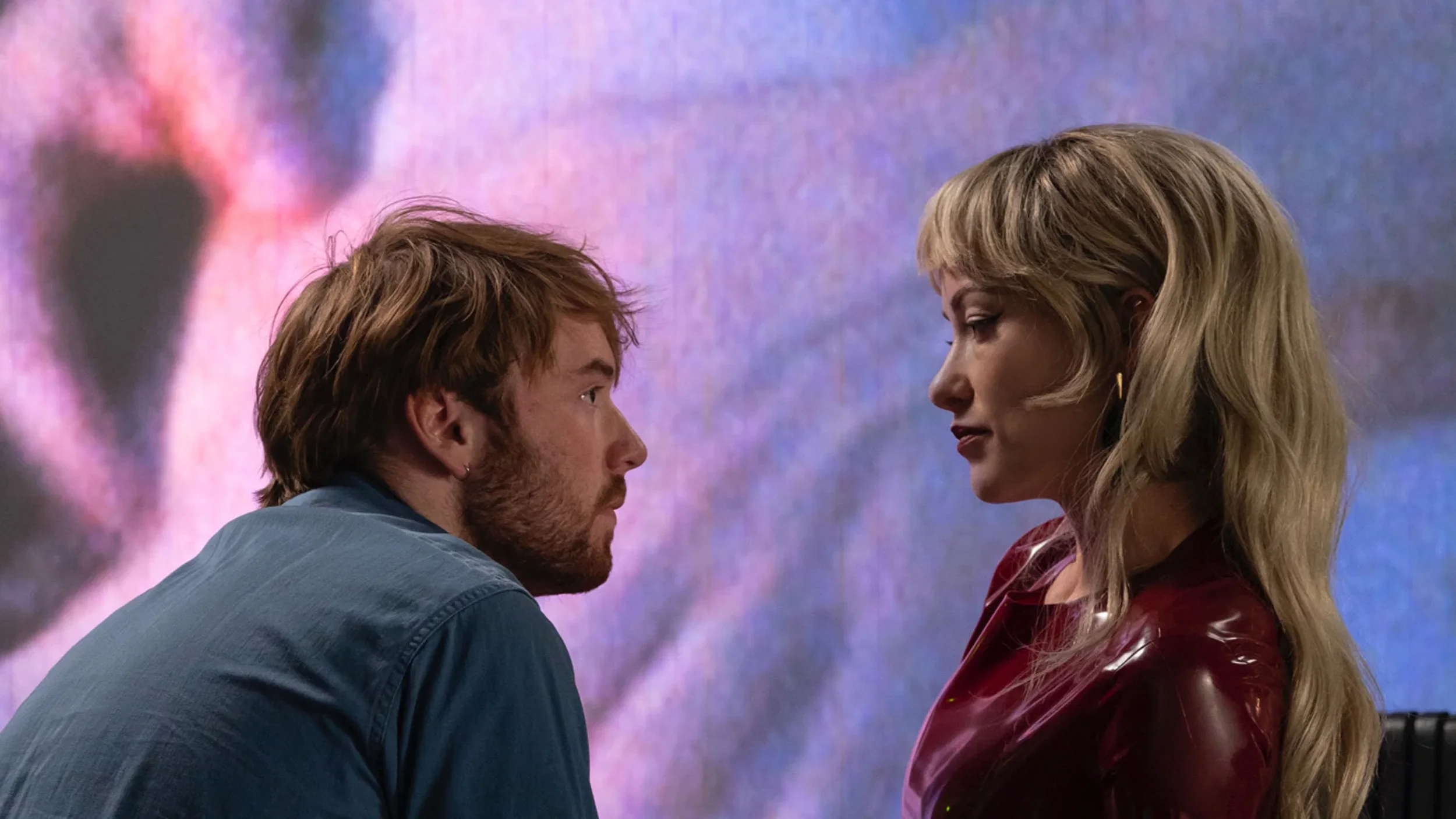
I Want Your Sex | Dir. Gregg Araki
Gregg Araki returns to the big screen with his first film in over 10 years, and it is an absolute roller coaster. Cooper Hoffman stars as a naive young man who gets a job working for a provocative visual artist, and soon becomes her submissive lover in this sexy, boundary-pushing comedy-thriller. As of writing this, the film holds an 89% on Rotten Tomatoes across 37 reviews.
Breaking format to say that I (McKenzie) saw this early at the Chicago Critics Film Festival and was beyond surprised at how much fun I had with this film. It’s hilarious, shocking, sexy, playful, at times uncomfortable, and consistently entertaining. Araki has created a deliriously funny, sex-fueled movie that I am lovingly dubbing, “queer, art world Sunset Boulevard.” I’d implore audiences to lean in to the outrageous style, the fantastic performances, and the tongue-in-cheek tone to really enjoy themselves. Wilde’s performance is undeniably phenomenal, some of the best acting of her career, and that alone makes this film worth seeing.
I Want Your Sex opens in limited release on July 31, 2026
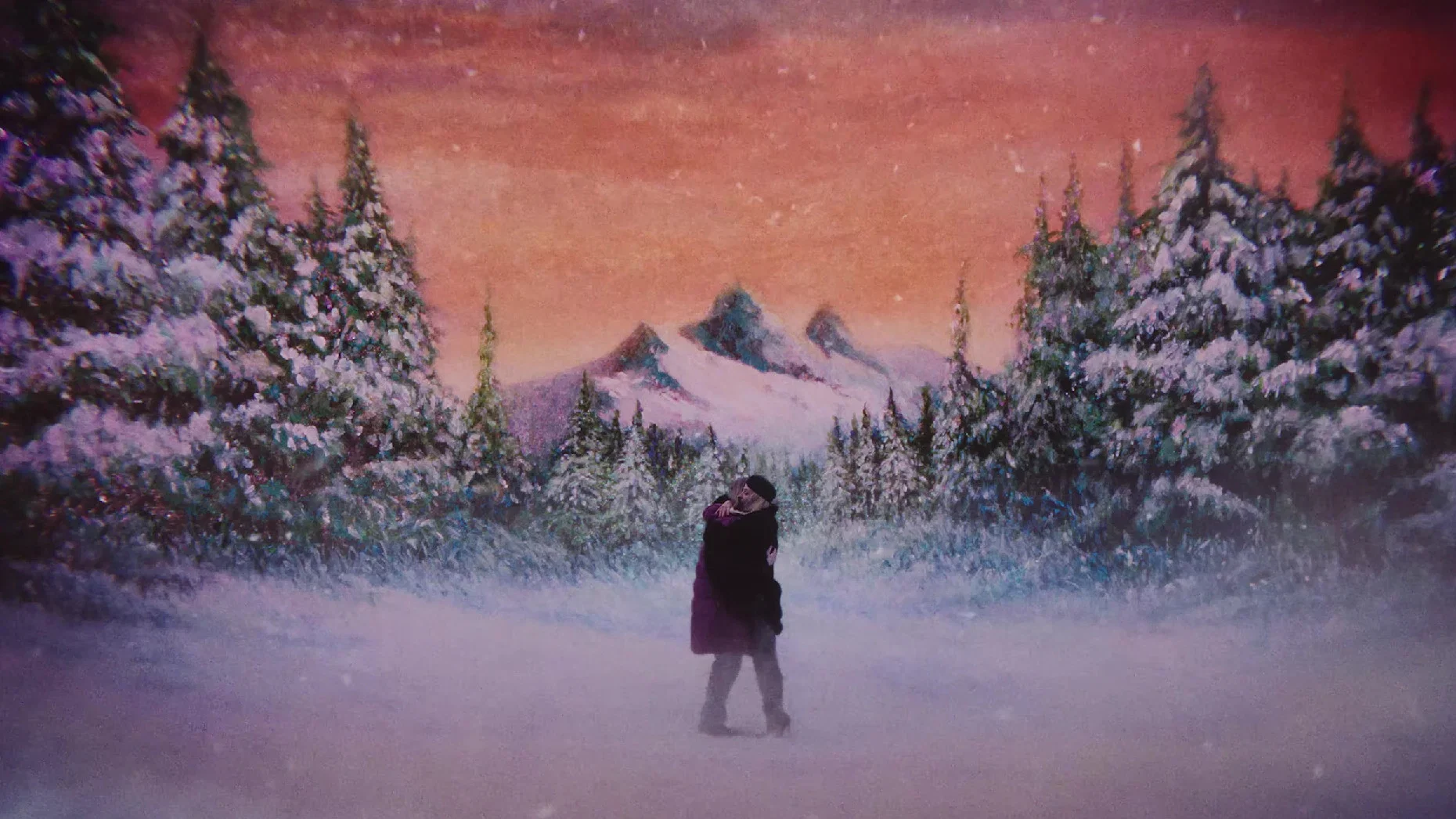
Teenage Sex and Death at Camp Miasma | Dir. Jane Schoenbrun
The most anticipated film of 2026 for Above The Line is the third film from director Jane Schoenbrun, Teenage Sex and Death at Camp Miasma starring Gillian Anderson and Hannah Einbinder. Jane Schoenbrun has crafted what they’re calling, “Portrait of a Lady on Fire set in a Friday the 13th sequel.” The film premiered at Cannes a few weeks ago to universal acclaim, debuting with a Rotten Tomatoes score of 100% across 52 reviews and a 91 on MetaCritic. Robbie Collin of The Telegraphcalled it, “an extravagantly funny, recklessly bizarre and unsettling satire of/paean to 'problematic cinema’.”
We here at Above The Line are huge fans of Schoenbrun’s previous films, We’re All Going to the World’s Fair and I Saw The TV Glow. Schoenbrun’s use of genre conventions to explore queer identity in deeply personal ways is resonant for so many film lovers (ourselves included), and it’s exciting to see that a film such as Camp Miasma may break even further into the mainstream. Schoenbrun is one of the most exciting new directors working today, and if you’re not watchlisting every movie coming out from them you’re missing out.
Teenage Sex and Death at Camp Miasma opens in limited release on August 7, 2026
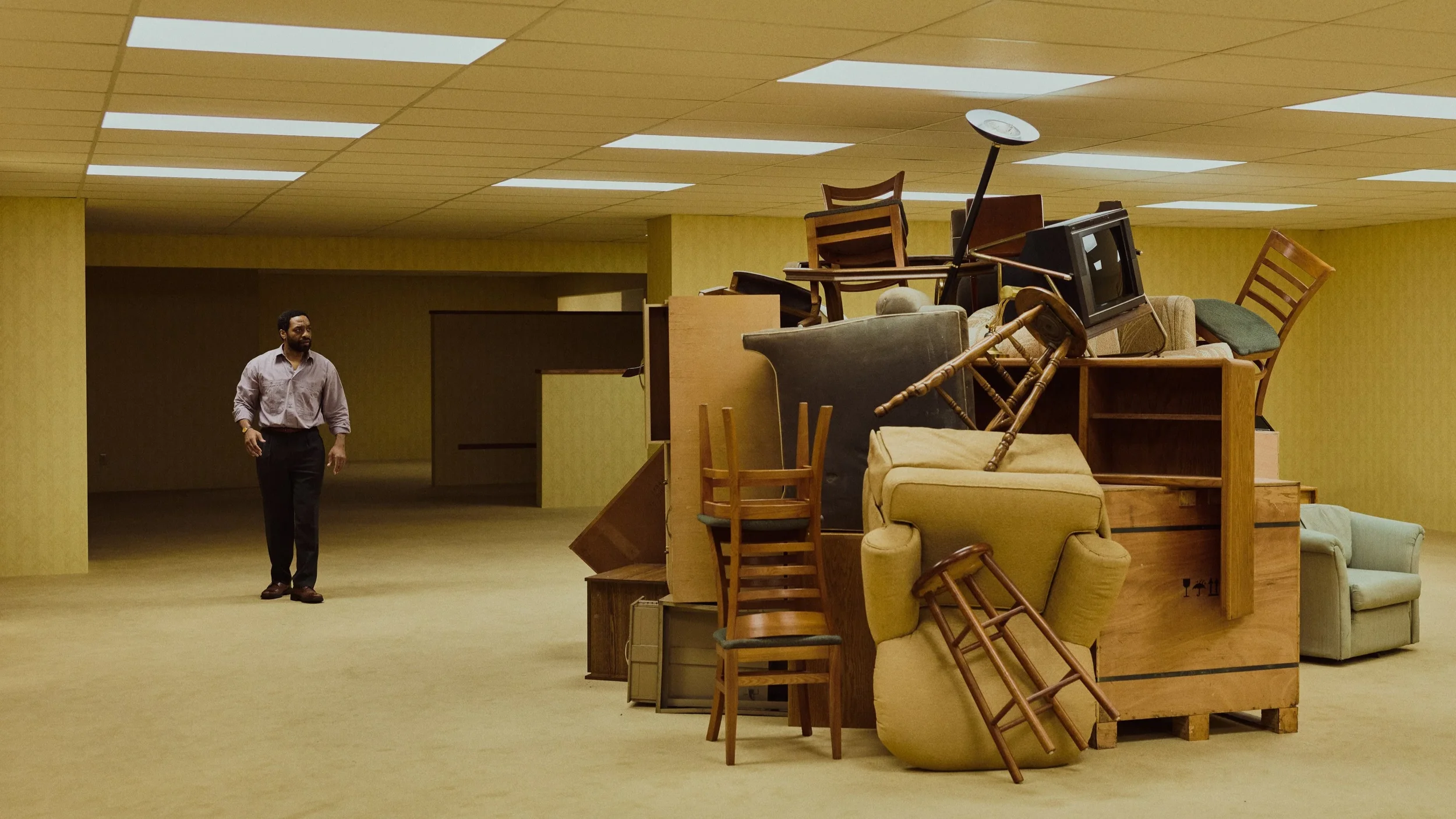
In Conversation: Kane Parsons’ Backrooms
Ian and McKenzie discuss Kane Parsons’ buzzy, record-breaking debut feature Backrooms.
The following conversation is transcribed from the Above The Line episode discussing Kane Parsons’ Backrooms. The conversation has been edited for readability. Spoilers ahead.
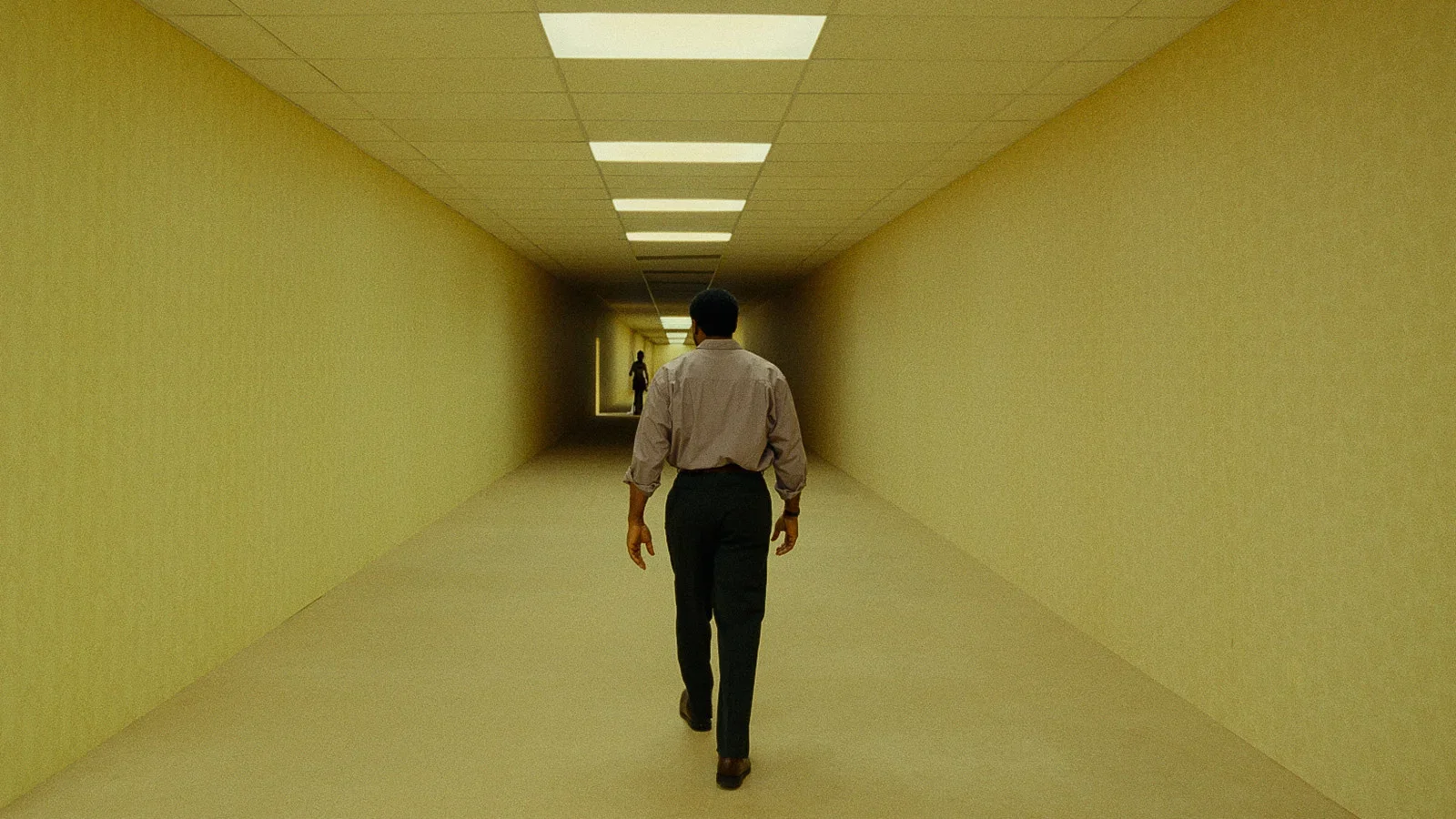
Ian: I did not really care for this movie, albeit I was intrigued for the first hour. One thing [that] I think would be an interesting place to start [with], is a text from you after you got out of the film, saying that you weren't really scared by the film. I think this is interesting insofar as this movie was being pitched as a horror movie, and even now, as the movie has had its very successful opening weekend and we're going into its second week in theaters, Kane Parsons is walking back the horror genre description of this film and trying to label it more as a science fiction movie.
I found it to be pretty spooky for the first hour, and a couple of the jumps did get me. But [you texted] me after getting out of it, saying, "I didn't really find it all that scary," which I think is interesting to talk about, especially in the broader context of it being an A24 movie and them being really known for selling movies as one thing and then they turn out to be another.
Famously, they had Materialists, which they marketed as a romantic comedy, and all of Ari Aster's movies have been bait-and-switches. I'm curious as to why you felt that way coming out of the movie and if it really was one of the reasons you didn't love this movie, or if there's other things.
McKenzie: I do want to say, for the naysayers who [may say], "well, it's not supposed to be scary, it's supposed to be tense," I didn't feel that either. I didn't feel tense, I didn't feel anxious or, you know, [any of] those feelings that a liminal space image is supposed to create in you. I could hear and see the audience around me feeling all those things. I was surprised that I felt like I was not at the party. I was watching the party happen thinking, "they're having a party over there, and I'm not a part of it," you know? That's how I felt.
Ian: And you're a self-admitted big baby.
McKenzie: I am a big baby. I really, really avoid horror movies. But Backrooms sounded interesting and I wanted to see it. It was one of those few horror movies where I felt like I need to be a part of this moment.
I definitely am someone who gets the fear of liminal spaces. Like you said, because I was — and still am, though I am, thankfully, medicated for it now — a very anxious person. The medication has very much helped [in adulthood], but as a child I was very, very anxious. A lot of my anxiety as a kid, and a lot of the things I would get scared of or make up in my own head, felt connected to that. To me, liminal spaces were these canvases to project the things that might scare you onto them.
That's why I think that centerpiece of the film is the best part for me. The found footage element of it is closest to what Kane Parsons did on YouTube. It is very visceral, it's so cool. You're running through the backrooms and getting all these incredible moments. Honestly, the dude being ripped down the chute, I thought, was so scary. And then my favorite shot in the movie [was] with the sideways door [when] he's being pulled by his long intestines into it. I loved that.
Nothing else in the movie elevated to that position because I do not think, ultimately, Kane Parsons' vision or concept was able to stretch into a feature-length film. Those ten minutes are what the movie should have been: a short film. And when he tries to make it a movie, when he tries to make it a narrative, with a backstory and characters, it really falls flat on its face.
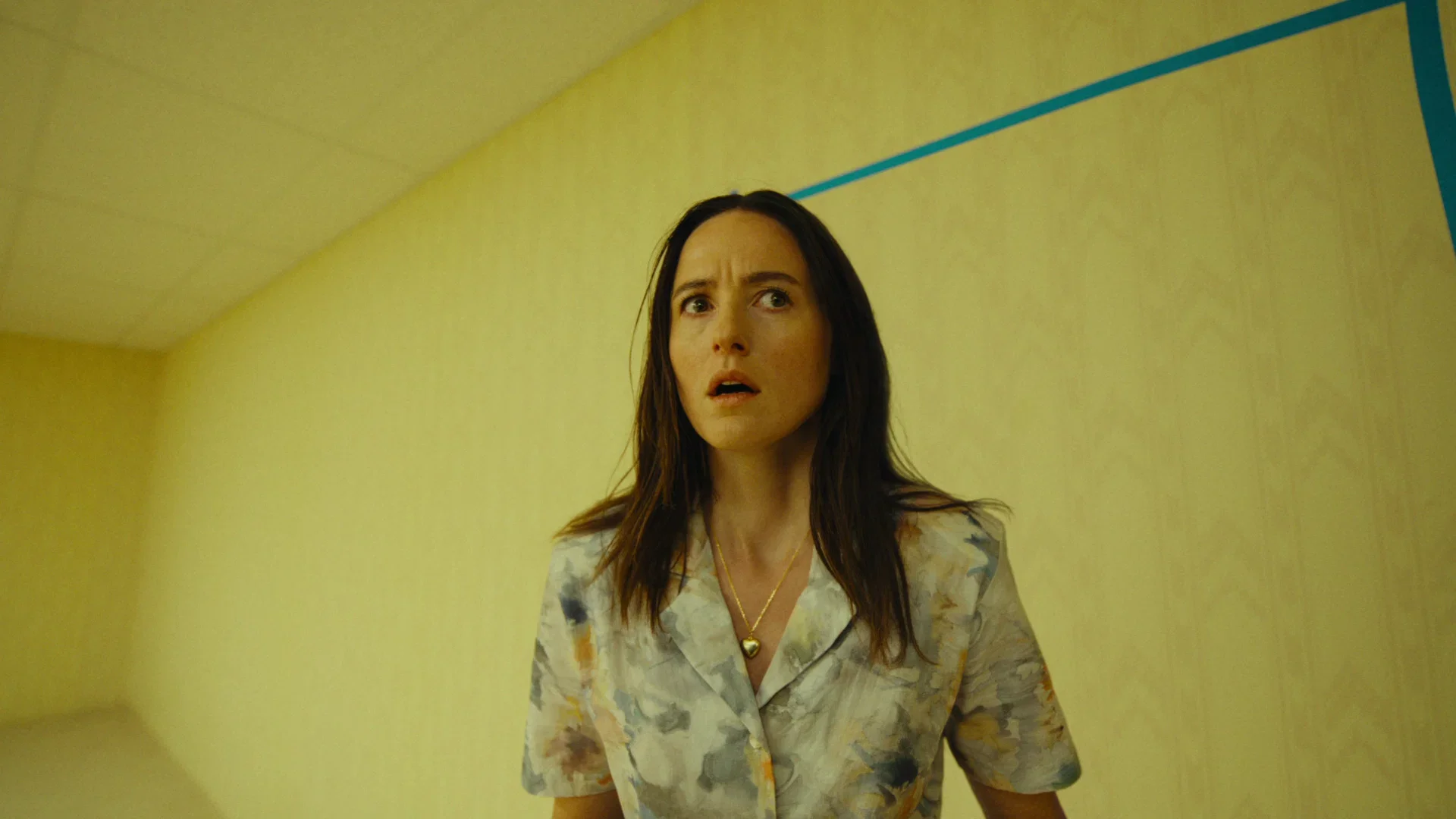
Ian: I will say that [while] I am a very anxious person, I do not find the idea or concept of liminal spaces to be all that scary or anxiety-inducing. Albeit, I found a lot of moments in Backrooms to be quite tense. Mostly what I got out of it was, "this is a really interesting vibe and a really cool aesthetic." I really like the odd, confounding, and disorienting nature of the design of this place, but it never really scared me.
I agree with you that the centerpiece is the best part of the movie, McKenzie. It was so interesting because there's a mix of practical and digital effects. The bulk of what Kane Parsons did on YouTube was a self-taught exploration of CGI and digital effects. There are massive swaths of this movie that are completely rendered in CGI software, which is really cool. They did build a lot of this, but they also rendered a lot of it digitally.
Getting deeper into it, this movie is kind of self-cannibalizing. In a way, I have seen that be a benefit to people trying to project larger thematic elements onto it. I've seen lots of people talking about how this is a movie about the pervasiveness of AI, about addiction, about mental illness, about trauma, whether familial or otherwise. To me, that just speaks to how this movie doesn't really have a handle on what it wants to be about. It's raising a lot of interesting questions, but it is so nonspecific and mostly just about the scariness or eeriness of liminal spaces to the point of not really being about anything.
McKenzie: I can see the AI thing, but I don't get that out of it. I didn't get any themes [in] this movie, to me, it's ultimately toothless.
The characters are very underdrawn. Chiwetel Ejiofor and Renate Reinsve are doing great jobs because they are phenomenal actors, [but] they are given a script that is paper-thin and gives them nothing. For Ejiofor, I thought the leap this guy made from “scared-but-curious” to “madman” was a little quick. With Reinsve, there was this very heavy-handed backstory about a mentally ill mother who I presume was agoraphobic or schizophrenic in some capacity, probably a combination of the two. One would assume when you're being shown something in a movie, that it will matter to the movie. But at the end I was like, was it just to say she has a lot going on? What was the purpose? I'm supposed to [care] about Ejiofor and Reinsve, especially in that dinner scene, and these characters don't make any sense to me. At that point, I was frustrated. I think it overexplains itself. I really do. I hate the Async stuff. I don't like cutting back to the scientists. I don't like the ending.
I completely disagree with people saying it's vague or ambiguous. I think it gets too explicit at the end with the Async stuff. If anything, it removes a lot of the beauty of a Backrooms story. The idea of these liminal spaces is that they exist almost outside our reality, there is a fear and a beauty in them.
I saw an interview where Kane Parsons said, "I really wanted to avoid lore bloat because I think horror movies explain themselves too much,” and I thought, "then what was the ending of this movie?" People saying it's really oblique, vague, and ambiguous — I simply don't feel that way. The most anxiety-inducing things were when you're in the backrooms and you have no idea what's going on. You have no idea what the next room is going to be. People are getting killed and you don't even see it. That is the exhilarating stuff because you don't know what's happening. The opening scene, too, is really cool.
“I completely disagree with people saying it’s vague or ambiguous. I think it gets too explicit at the end with the Async stuff. If anything, it removes a lot of the beauty of a Backrooms story. The idea of these liminal spaces is that they exist almost outside our reality, there is a fear and a beauty in them.”
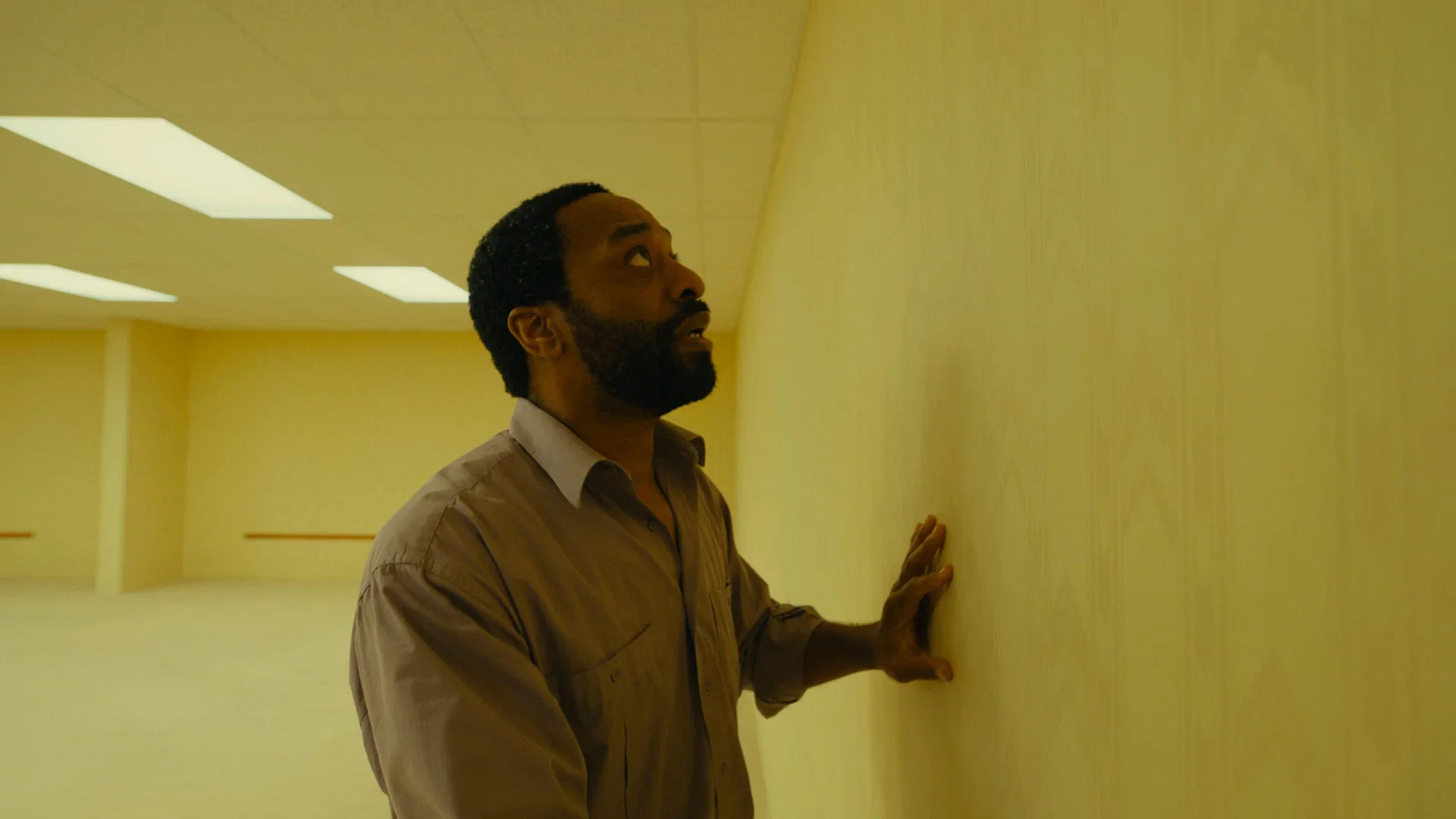
Ian: Yeah, that prologue is so tense and so interesting. And if you never learn that there's a company actively exploring this place and that it's their job to do so, it becomes so much more interesting. This is the big problem with mystery-box storytelling. There is no satisfying answer you could possibly give me that is more interesting than the lack of an answer. People who are saying this is ambiguous, vague, or oblique—I think they're mistaking the lack of concrete answers for subtlety, which it's not.
I understand where people are coming from with a lot of the things they're projecting onto this movie. I understand where people are getting the addiction metaphor from, and I also understand where people are getting the mental illness metaphor from, because they're very obvious metaphors. The Chiwetel Ejiofor character is a chronically depressed alcoholic, and then, as you referenced McKenzie, there's this very deep-seated trauma involving an agoraphobic — or at least hinted-at schizophrenic — mother in Renate Reinsve's character's backstory. She's traumatized. She's dealing with mental illness. It's not a very difficult leap to make that the Backrooms could be a metaphor for that.
Okay, it's an endless prison of your own mind, whether it be addiction or mental illness. But that's a pretty rudimentary, surface-level observation to make about those kinds of struggles. I don't think it's as deep as it believes it is. That's a symptom of it being made by a twenty-year-old. Now, I will admit, I am twenty-eight years old, that's not that much older than Kane Parsons, but it is almost a decade older. It's a little more time being alive, making mistakes, and going through experiences that shape you. But I want to be very clear that I'm not projecting a forty-five-year-old's opinion of, "This kid doesn't understand what it's like." I'm seeing a lot of people throw that critique at Kane Parsons, "this twenty-year-old is telling me what midlife malaise is like? Give me a break." I think there's some validity to that critique, [but] I want to say I'm not really trying to do that.
McKenzie: People are using his age to diminish him, and I worry that maybe that's what it sounded like I was doing. I don't think his age means he's a bad director. Again, this movie looks great, and I think he has some really brilliant moments. In terms of storytelling, he has a lot of growing to do.
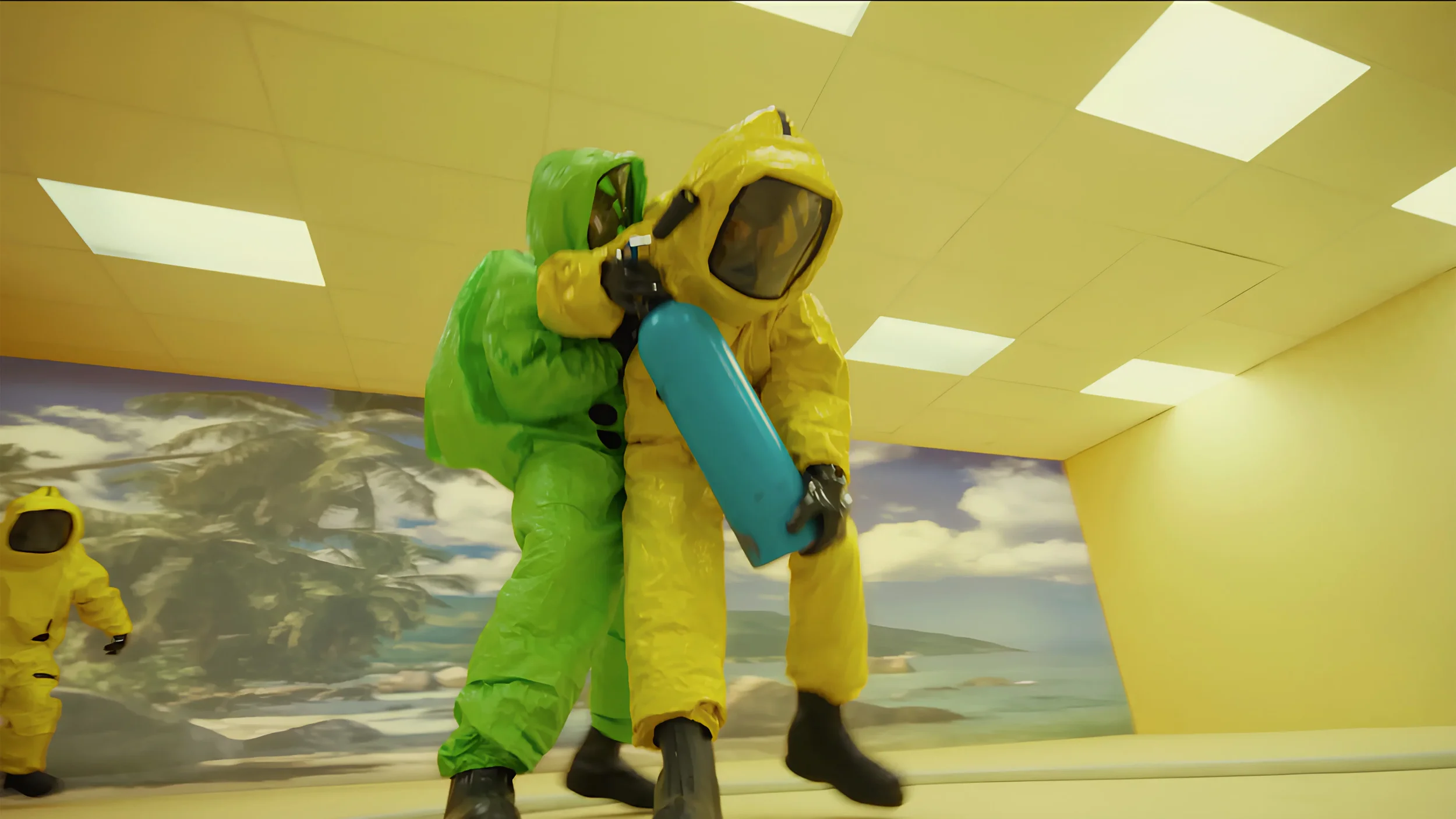
Ian: My biggest issues with this [film is] I really found it to demonize people with mental illness. I found it to be a little antagonistic toward the very concept of therapy, I thought it misrepresented how therapy actually works. One brief, minor quibble of mine is that role-playing scene that comes back at the end. That's just not how that technique works in therapy. You don't role-play as yourself so you [can] call your wife a bitch. You don't get to just cathartically say your most rageful things while your therapist sits there and takes it. That's really strange to me. So that displayed a lack of understanding of how that works.
And then, when we get these flashbacks to Renate Reinsve's character's upbringing with this agoraphobic, or maybe schizophrenic, mother — especially when she's placed in an institution, I found that to be a horror trope that really annoys me. It's that old "ooh, the mentally ill person is scary" thing, the idea that mental illness itself is something to be feared. It's something I'm personally tired of.
But then, yes, McKenzie, as you've been hinting at, we come to the dinner scene. The movie comes to a screeching halt. For an hour, it's been an interesting vibe, a great mood, and a really cool aesthetic. And then the movie suddenly goes: "okay, stop. Here's what it's all about. Here's what we're doing. Here are the themes. Here's everything. I've got ideas. Here's a lot of them. Here's some lore. Would you like some lore?" And I turned on the movie in that instant.
When he starts pulling the cotton-candy fungus stuff out of people and stabbing them in the neck, it felt like we were trying to do some sort of Black Lodge Twin Peaks thing and it was highly ineffective. It really did ruin all the goodwill that had built up over the first hour for me, to be perfectly honest.
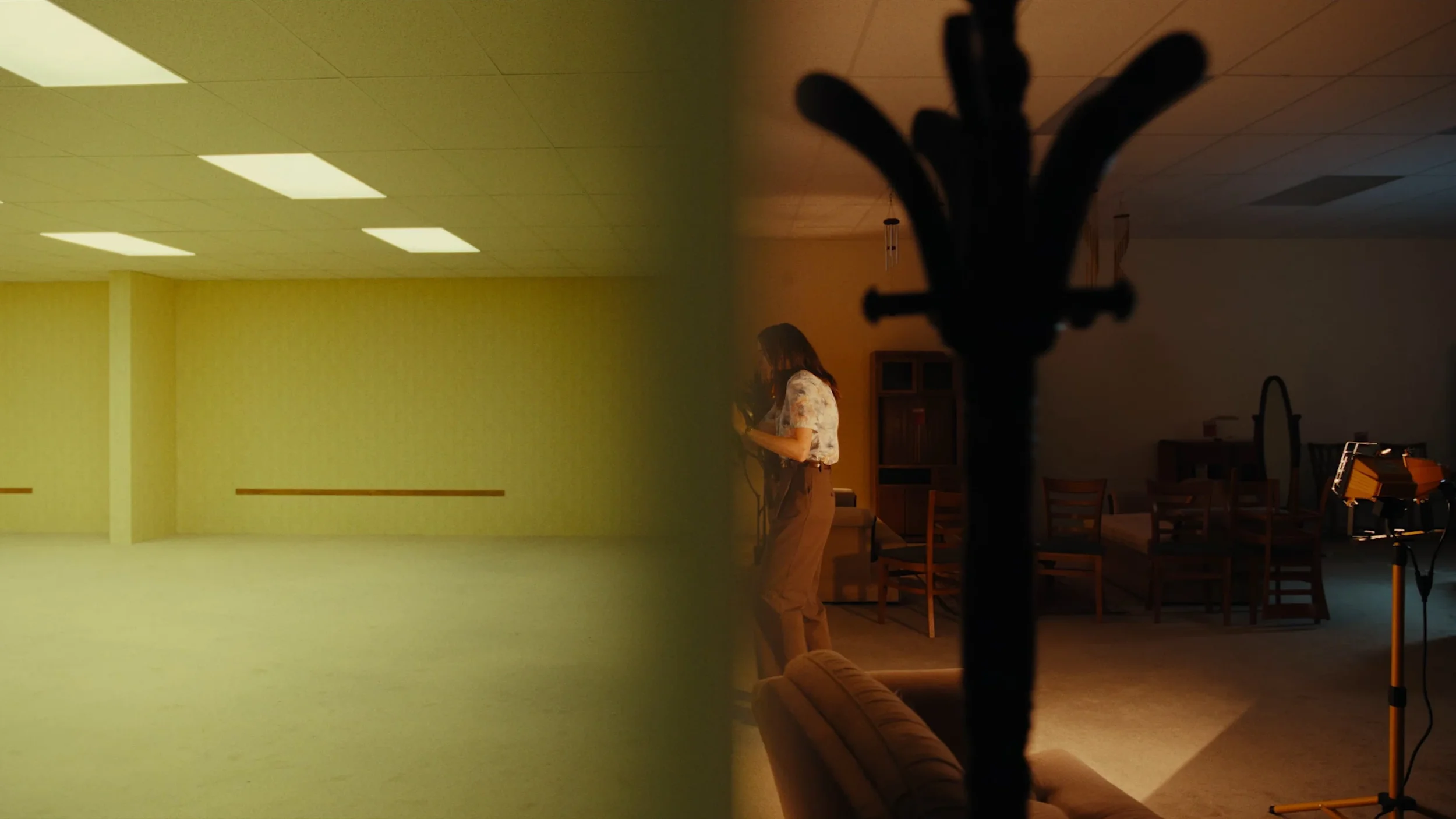
“If you start playing with capitalism, late-stage decay, and how that affects the people living within it, then you’re actually engaging with the spaces themselves. The real-world spaces that inspired the creepypasta in the first place.”
McKenzie: It gave me less Black Lodge vibes and more the Convenience Store where Bob and the Arm meet, Which, [if] you're trying to do Fire Walk with Me, one of the most brilliant pieces of art ever made, that's hard.
But with what you said, in terms of it laying out all of its themes, I do think the concept works better the less you know about it. I wonder if what Kane Parsons brushed up against when he was [creating] the story here was that we are, and have been, in an era where horror films have to be "about something." The elevated horror era that we're moving out of now. This movie would have been better if it wasn't trying to be about something.
Ian: I'm throwing out all these critiques that essentially get chalked up to Kane Parsons and his writer — because we should remember Kane Parsons doesn't get a screenplay credit on this, although I think he does get a story credit. What my critiques boil down to is that there are a lot of ideas being thrown at the dartboard and nothing really hits a bullseye. There's the addiction angle, there's the mental illness angle, there's the whole concept of liminal spaces, which could branch off in a million different directions. There's this evil corporate entity behind everything. There's a lot of ideas, it's too many, it's overstuffed and it's not interested in really engaging with any of them in a meaningful way.
I [was] talking to my wife before going, and [said], "How is this going to be a movie? I'm worried this is going to be a nothingburger because it's 115 minutes long and it's based on YouTube shorts about this pretty simple idea." And my wife, genius that she is, had a really interesting thought. She was like, "Well, maybe it's about the way capitalism eats itself. Maybe it's about these spaces becoming abandoned, the hollowing out of society," and I could immediately see more interesting stuff going on in that idea than what we actually got.
McKenzie: I love that idea. It immediately made me think of the liminal spaces I experienced in real life that I still think about because [they were] so spooky and beautiful. It really is this absence of capitalism. Capitalism has abandoned this place, and that's fascinating. Damn, now I want that movie.
Ian: Not to continue talking about a movie that doesn't exist — but if that were the idea, if that were the concept, then you're actually engaging with the spaces themselves. If you actually explored the idea of capitalism coming into a place, making everything the same, making it this beige-yellow, mundane, banal environment, and then abandoning it... because the original Backrooms photo was from an abandoned office building. If you start playing with capitalism, late-stage decay, and how that affects the people living within it, then you're actually engaging with the spaces themselves. The real-world spaces that inspired the creepypasta in the first place.
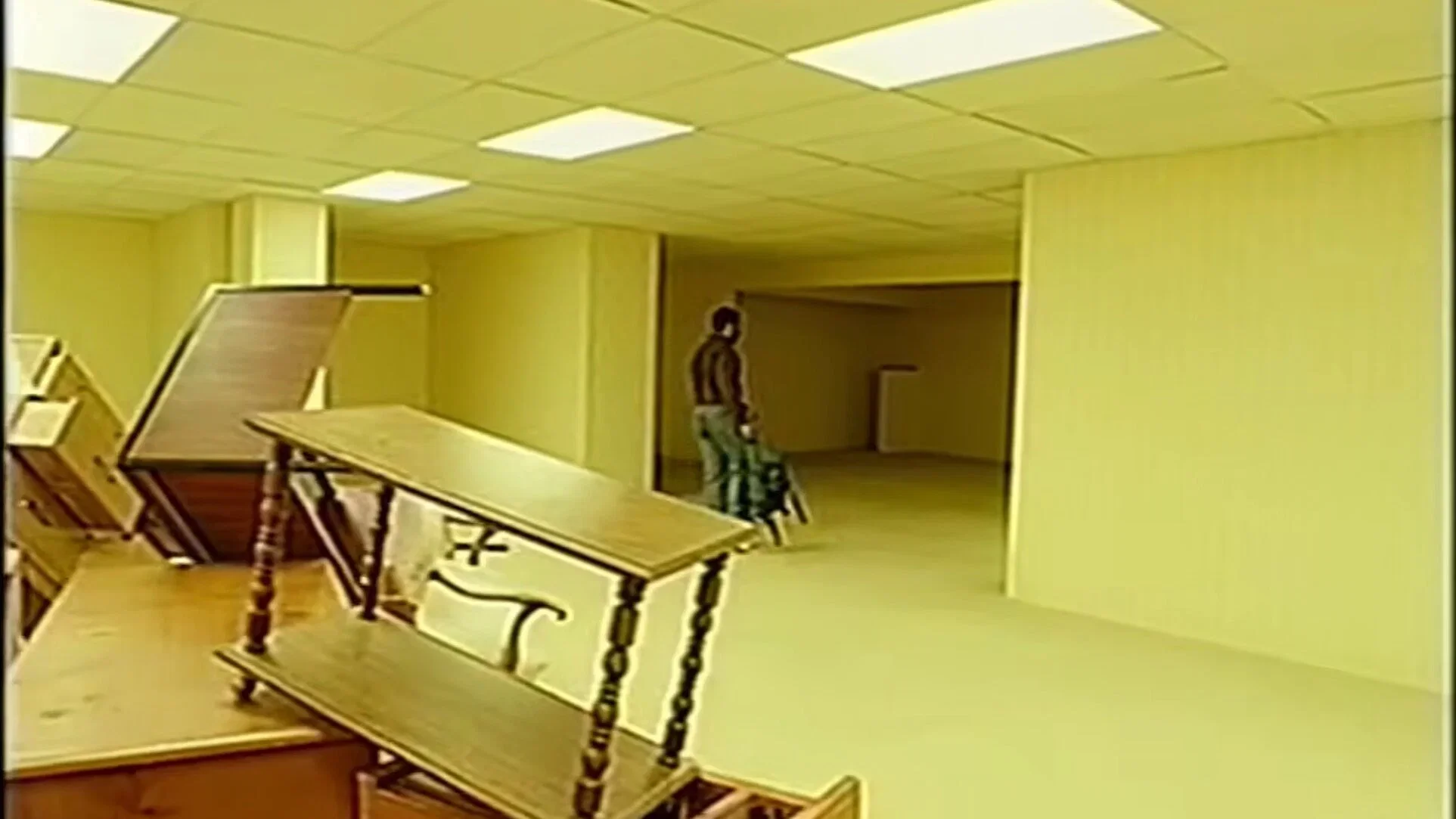
McKenzie: We're cresting into the end of our conversation, but can I throw one thing at you? I think the movie would be better without the Renate Reinsve character, I did not see the purpose of her. I really, really think it would be a more interesting movie if it was a one-hander, a Lovecraftian horror story about a man losing his mind in the backrooms, if it was just [about] Ejiofor's character going in there. After the centerpiece, we leave his point of view and move to Renate's point of view. That's part of why we lose how he became Kooky-Pants Man. [Ejiofor’s character] lightly mentions that he keeps coming back over and over and over again and I want to see that. It would have been interesting if the movie stayed very focused on the [his] character.
All the stuff with his wife, all that self-pity, all of that can still be there. But instead of Renate Reinsve — a character who ultimately has no development or deep relationship to this man — confronting him in the “Red Room,” if you will, maybe [instead] it's a copy of a copy of a copy of his wife. A deformed version of the person he perceives as the monster who abandoned him and ruined his life. And yes, then we get into "you're facing your trauma in the backrooms," but at least that would make a little more sense. I wonder if, without her character, we could have stayed locked into Ejiofor's POV and watched this dizzying spiral into madness. That would have been much more interesting. I think she's useless, and I hate saying that because I love her as an actress.
Ian: I was about to say, counterpoint: Renate Reinsve.
McKenzie: I know, the counterpoint is that she's a beautiful woman on my screen.
Ian: Yes. Whom I love, and who honestly was the driving factor in getting me to go see this movie. But yeah, I think you're probably right, McKenzie. Maybe you lose a little bit of external processing with the character, but at the end of the day, I think if you had taken what the movie does with Renate Reinsve and instead focused more on fleshing out the employee character and her situationship, they were an interesting vibe. Her being his employee was a little incongruous and didn't make a lot of sense [so] maybe fleshing that out would have been more interesting than introducing Dr. Mary Klein and everything connected to the Reinsve character.
“We’re entering this new age of internet-based horror, and this movie is going to be integral to that conversation. It’s going to be in a book about this someday, it’s going to be remembered as one of the first major success stories of this type of horror. Even if I didn’t love it, I respect the [hell] out of that.”
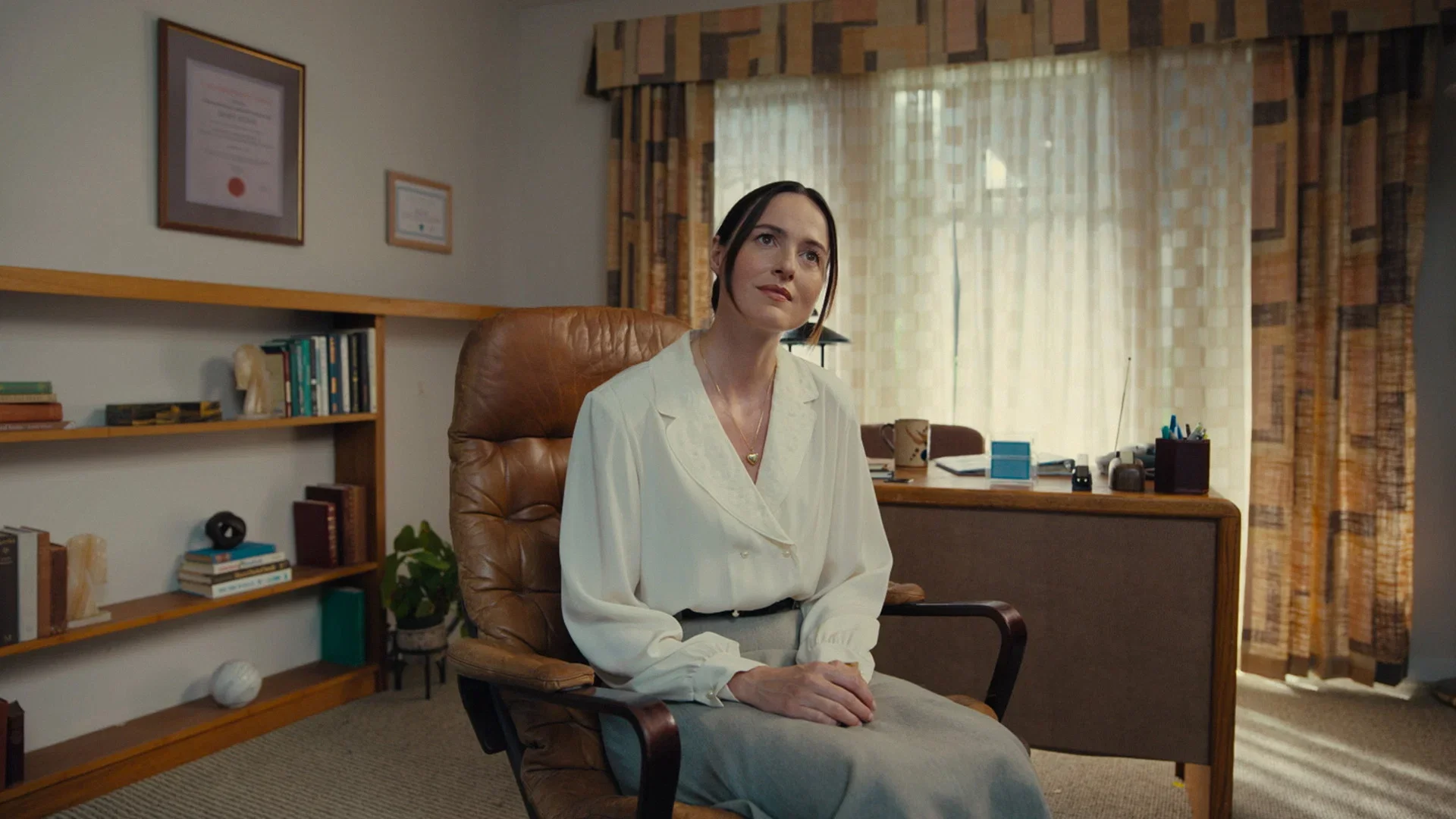
Ian, continued: Although then he wouldn't get his cute little therapy audiobook commercial in there, which I thought was just okay. It is interesting that this kid is so clearly obsessed with the nineties. I don't think the nineties setting was super necessary. This isn't a movie that requires the absence of cell phones. I think it's mostly just a vibe. Now, I like the nineties and I'm nostalgic for the nineties. I barely remember them, I was born in 1997, but there are holdovers from the turn of the century that I'm nostalgic for. I do find it interesting that this guy, who was born in 2005, is so obsessed with that era.
McKenzie: I think liminal spaces are inherently nostalgic. A lot of them are from the eighties and nineties. They're abandoned buildings that haven't been touched in [fourty] years. Which is why I think people our age have that nostalgia for liminal spaces because they're the spaces we occupied as kids that have now been abandoned. And we grew up on the internet where those spaces became creepypastas, 4chan posts, Reddit posts, two-sentence horror stories, and all the rest. It's part of that era of internet horror we've talked about before.
We're watching this subgenre being born right now, which is weirdly exciting to me. Not that elevated horror is ever going to disappear. But it feels like movies such as The Babadook, Get Out, Hereditary, and Midsommar ushered in a certain era of horror. Now [that] we're entering this new age of internet-based horror, and this movie is going to be integral to that conversation. It's going to be in a book about this someday, it's going to be remembered as one of the first major success stories of this type of horror. Even if I didn't love it, I respect the [hell] out of that.
Ian: I am impressed by Kane Parsons and what he was able to accomplish. I wish it had been a little more focused and a little shorter. But I am excited to see what he does next.
McKenzie: I hope he keeps going. I don't want him to go back to YouTube! YouTube is fine, but I hope he keeps making films because I think that would be great.
Ian: We love the cinema, baby.
In Conversation: Richard Linklater’s Blue Moon
Ian and McKenzie discuss Richard Linklater’s new film Blue Moon, in this transcript from the Above The Line episode (edited for readability).
The following conversation is transcribed from the Above The Line episode discussing Richard Linklater’s Blue Moon. The conversation has been slightly edited for readability.
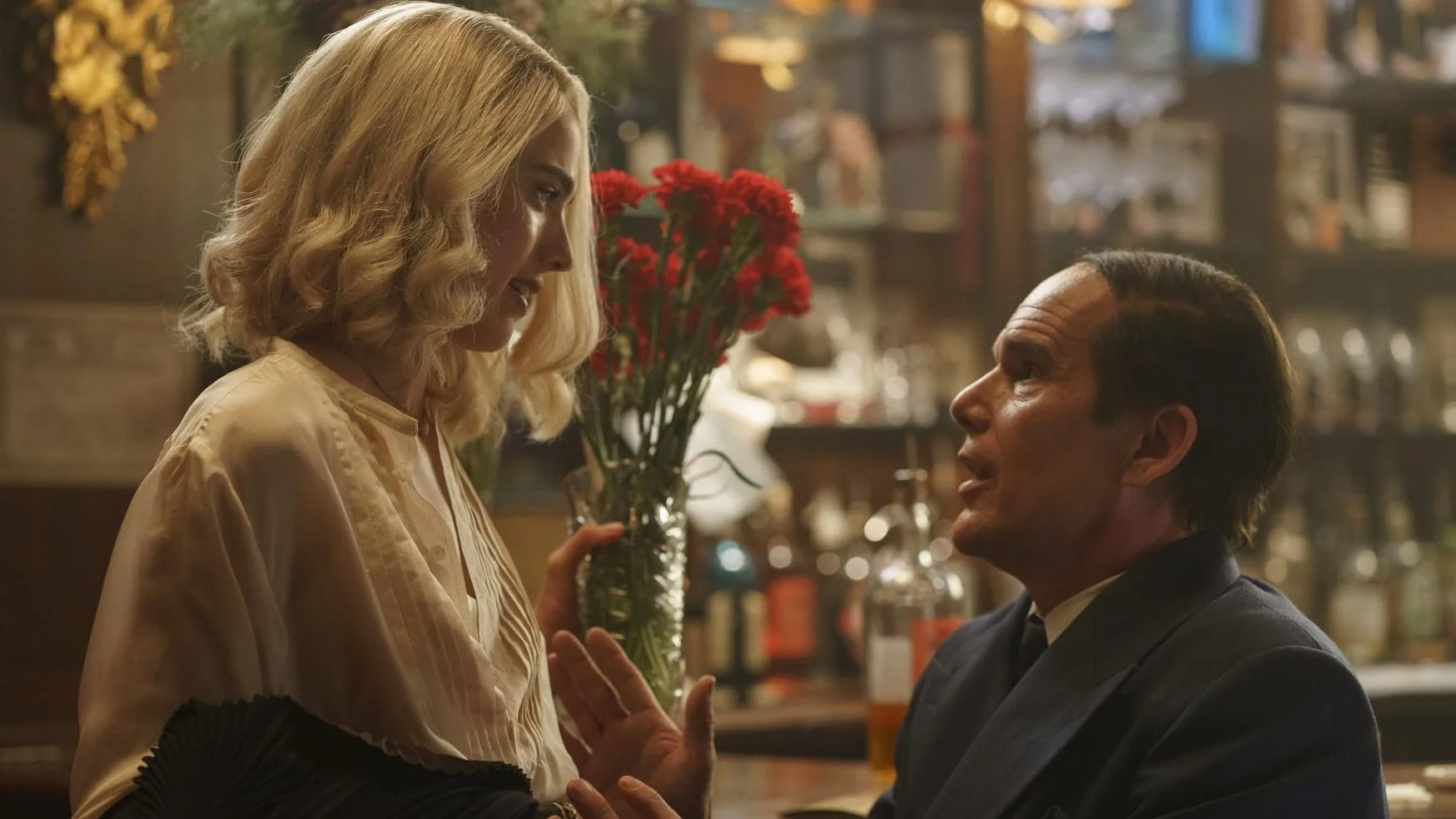
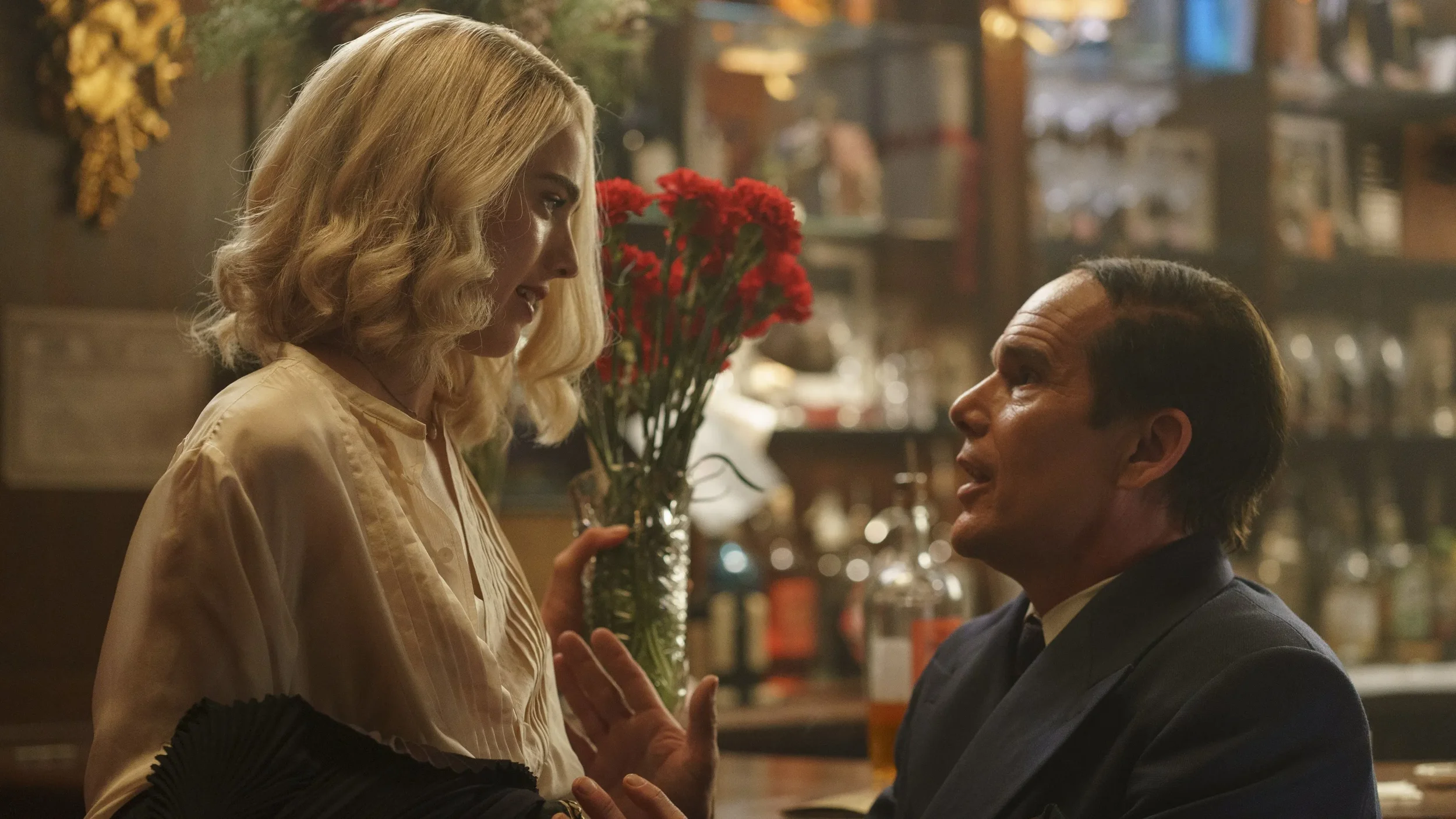
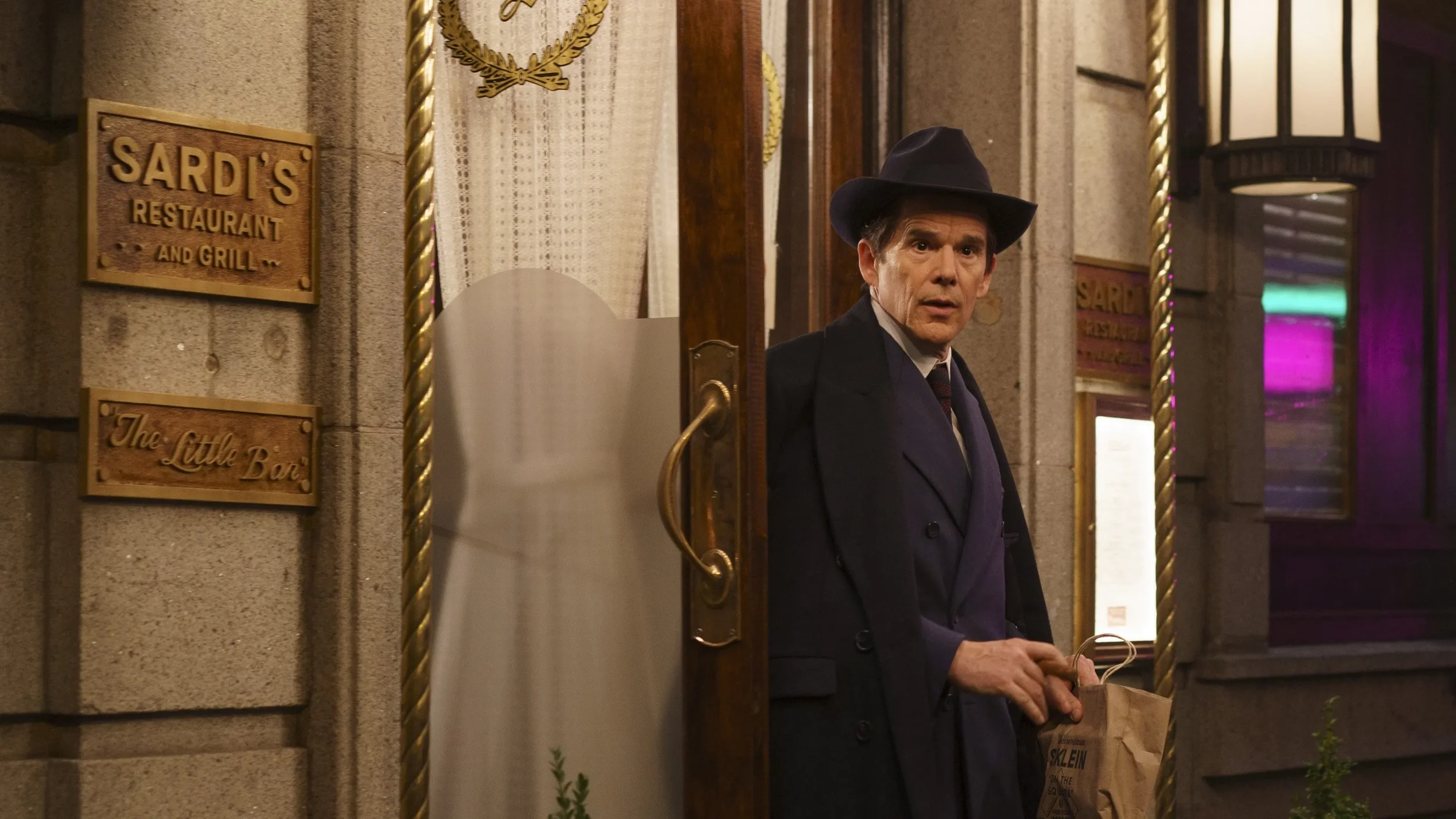
Ian: For those who haven't seen it, first of all, go see it. It's a lovely movie… it's a pretty straightforward film. Ethan Hawke plays Lorenz Hart, who was the first writing partner of famed composer Richard Rodgers of Rodgers and Hammerstein. If you don't know, Rodgers and Hammerstein wrote Oklahoma!, which this movie centers kind of around the premiere of that musical. They also wrote the King and I, they also wrote The Sound of Music, a very successful songwriting duo. But before there was Rodgers and Hammerstein, there was Rodgers and Hart. And this movie is about Hart dealing with the fact that his former writing partner has moved on to another partnership and he's feeling a little lost and he's feeling a little left behind.
This movie takes place in one bar over the course of one evening. At a party celebrating that opening night of Oklahoma! and Lorenz Hart is dealing with the loss of his partner and also the fact that he's unsatisfied and unfulfilled in other areas of his life as well. McKenzie, I think it's no secret that we both really love this movie. I think we both went into it knowing we were going to love it and we were satisfied to find out that we both really loved it.
I think the first thing to talk about honestly is this Ethan Hawke performance is just fantastic. I do agree with what some people are saying, that the gimmick of making him appear shorter than he is in real life—I think maybe they're using some compositing or…?
McKenzie: I think so.
Ian: To basically superimpose him down a foot or something. I don't know exactly how it works. It's not forced perspective, I can tell you that it—looks a little janky sometimes.
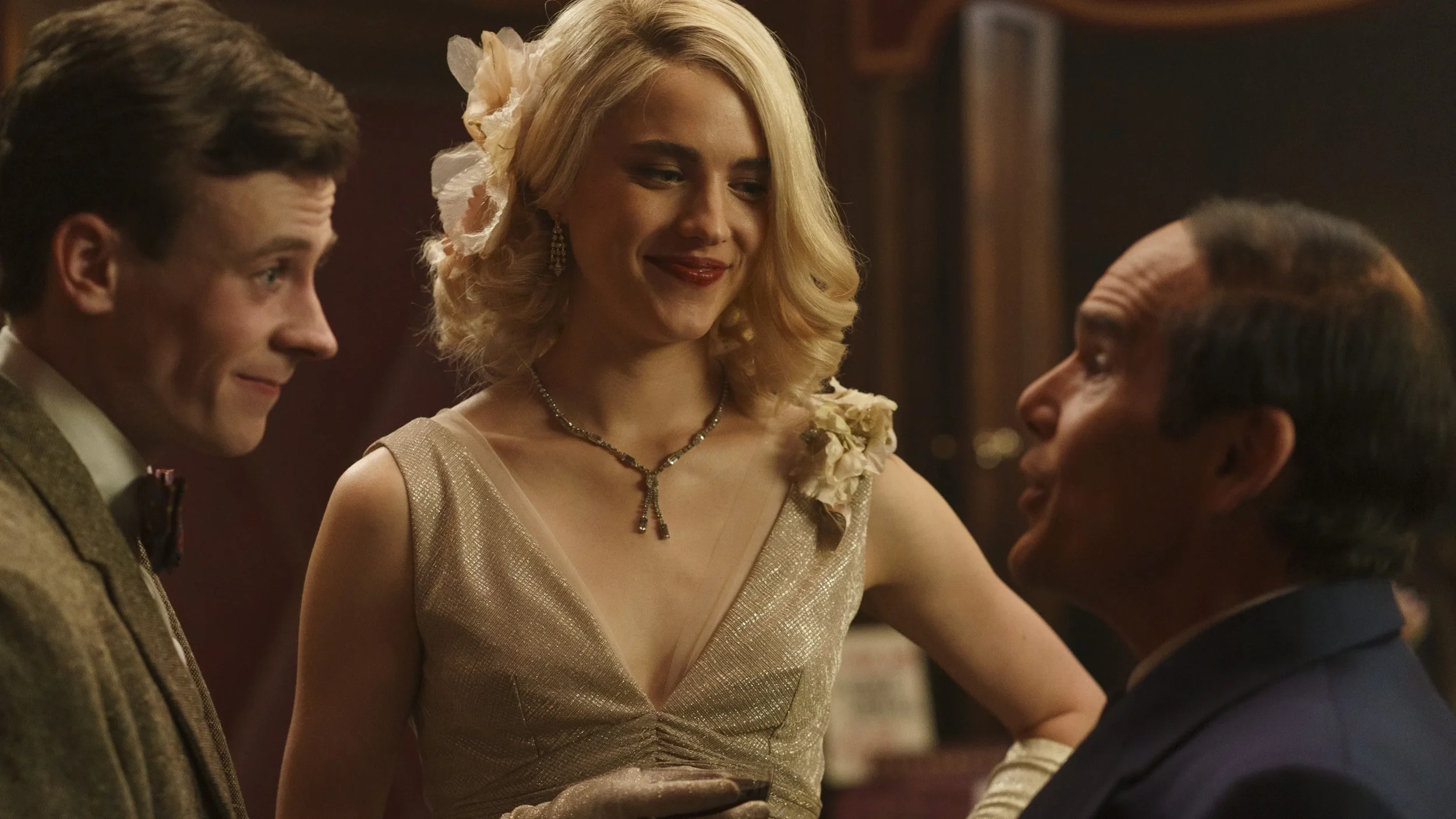
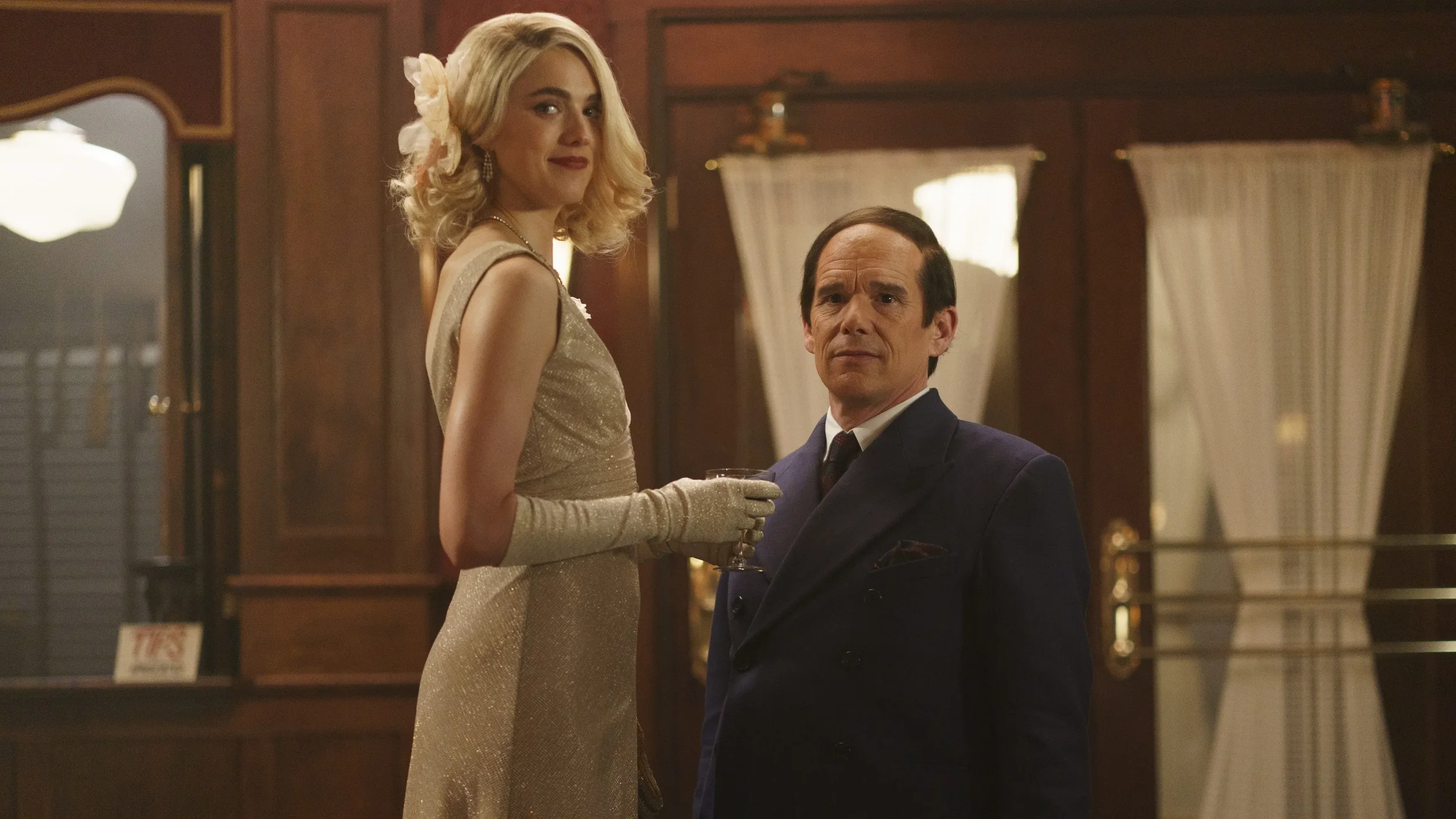
McKenzie: Well, it's just in those wide shots because most of the film he is sitting or standing next to someone, and I have to assume they have those other actors just on boxes. I have to assume Margaret Qualley, in heels, who's already a tall statuesque woman is probably on a little apple box. Andrew Scott, he's an average sized dude, I'm sure he's on a couple boxes.
Ian: Ethan Hawke might be taller than Andrew Scott, to be honest.
McKenzie: Yeah! So I've assumed that in the scenes where they're walking or standing, they have platforms built where the other actors are walking on or standing on.
Ian: There are times when he shuffles over to the piano where I was like, “what's going on here?” But honestly, it didn't take me out of the film as much as some people have said, and even the people who are noting it are still focusing on the fact that his performance is quite astounding.
McKenzie: It's really, really good. I mean, I had a terrible audience for this one. Did not ruin my enjoyment of the movie… I love the movie and Hawke. He completely fades into this character in a way that is really, really astounding. I was reading a lot about how long this has been like percolating for Linklater and Hawke and how long they've been discussing wanting to do this. I don't know if you saw that interview where Ethan Hawke said 10 years ago he was like, “hey, when do we want to do Blue Moon?” And Linklater said something along the lines of, “women still want to fuck you. We can't do it until you're a little older,” and Ethan Hawke is like, “I don't know how to feel about that. Do women don't want to fuck me anymore?” and it was just really funny.
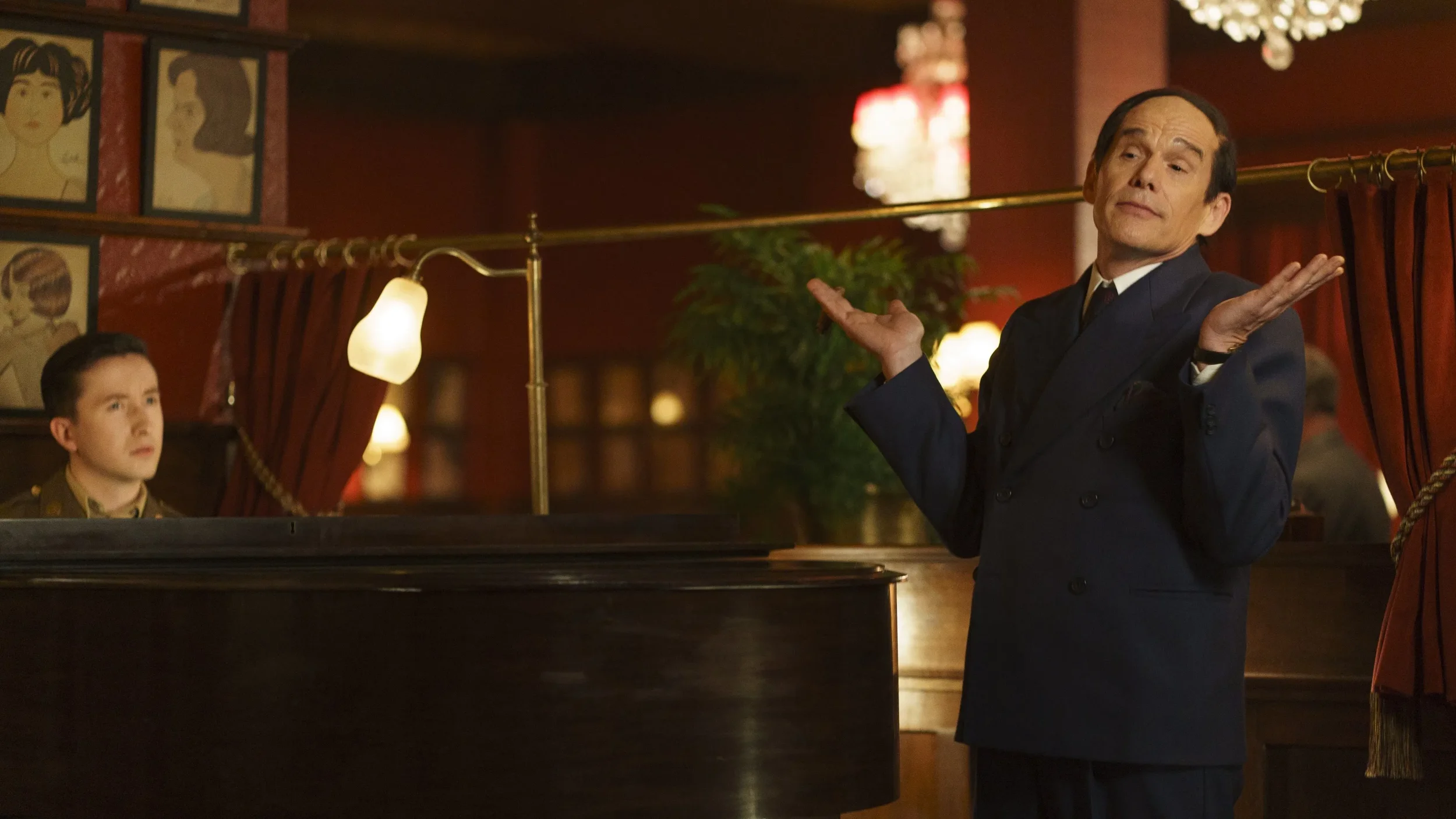
McKenzie: I think it makes sense to do it at this point in Hawke’s life because he is a little older. He's a little bit more settled into himself as a human being, as an actor, and I think he's able to tap into this middle-aged melancholy that Lorenz Hart is feeling. And I think that I've seen some people say that they find him to be an annoying character, which is like, yes. But I found a lot of empathy for this very sad man, right? The movie begins—this is not a spoiler—begins with his death. He died just seven months after the night that the film is tackling. I think as we watch this night, everything he says is tinged with this knowledge that we know he's going to die in less than a year from this night.
Ian: This is the last major evening of his life. The most consequential evening he'll have before he dies.
McKenzie: Yeah, and I think that that brings a level of melancholy that is intended. I think that I just fell totally in love with Hawke's performance. How completely he just transforms into this character. I've never seen him give a performance like that in my life. It is so transformative and it's not even a ton of makeup. Like, yes, he shaved his head and they added some makeup and they gave the comb over. But really it's the physical, the physicality of the way he as he's talking and the beautiful script. I loved this script. It was written so poetically and it feels reminiscent of the lyricism of Lorenz Hart. You probably heard Blue Moon, one of the most famous songs he ever wrote. Bewitched, Bothered and Bewildered, Isn't It Romantic, My Funny Valentine. You may not know his name, but you've probably heard his words and they were all very poetic.
The highlights for me were Hawke’s phenomenal performance, the beautiful, poetic script and then the really immersive, gorgeous, sound design and underscoring of these old school standards that just kind of play lightly underneath the whole movie. I was so swept up in it. It's like a play and I love that shit. I'm a theater kid. Ian and I are staunch defenders of Come Back To The Five and Dime, Jimmy Dean, Jimmy Dean, which is essentially a play filmed by Robert Altman. And I love it. I love movies that feel like plays.
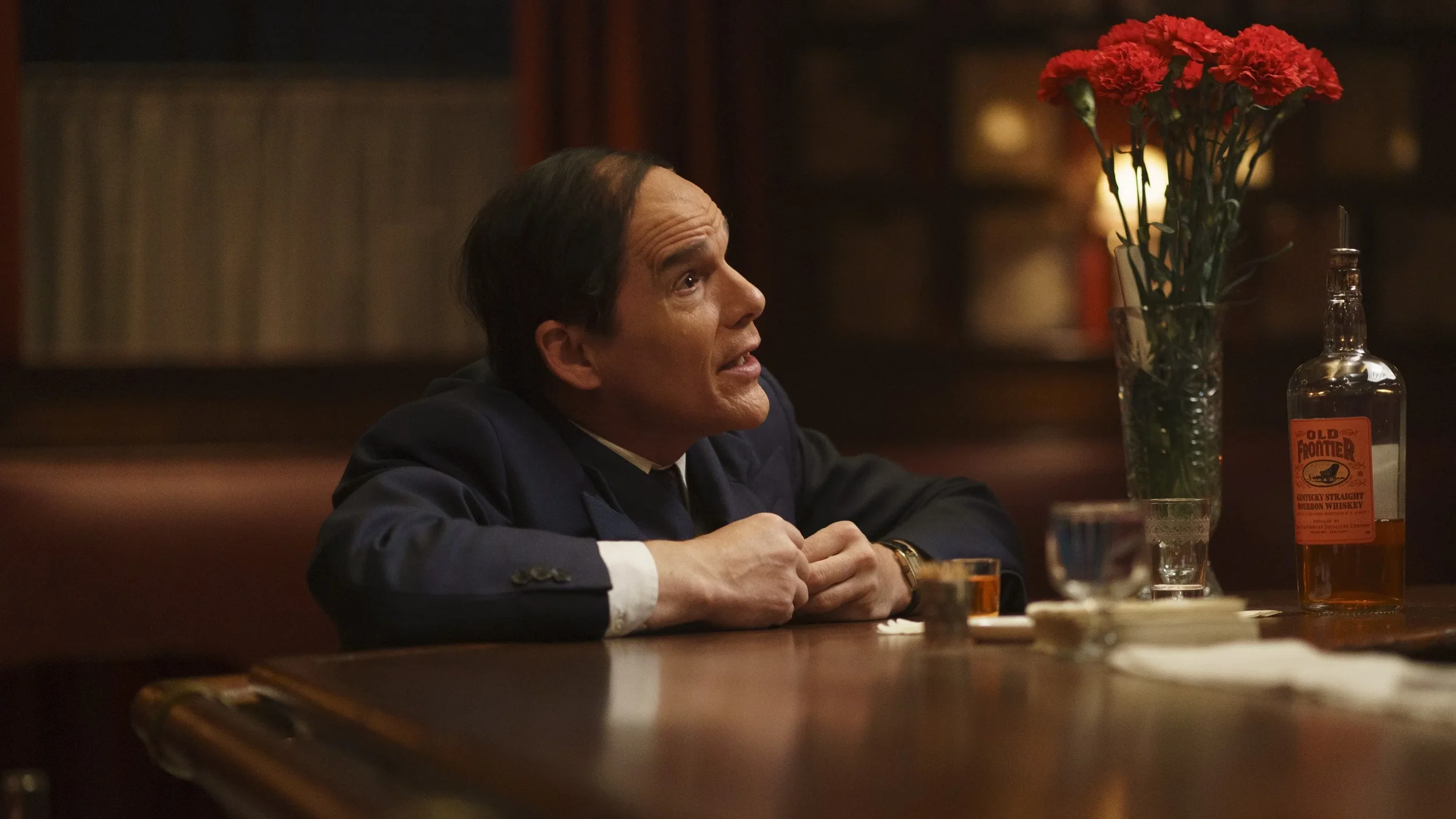
Ian: I love the way that Hawke does kind of make himself diminutive because it's not just some of the wacky visual effects, which honestly, again, didn't take me out of the movie, but I really love the way that he kind of shrinks himself down. There's a bunch of times where he's talking to Bobby Cannavale's character who plays the bartender, in which he just feels small. It reminded me, there's this amazing moment in the Mr. Scorsese documentary where Isabella Rossellini is talking about Marty and she calls him a, “minuscule man.” And I was kind of thinking about that the whole time I was watching Ethan Hawke embody Lorenz Heart.
And he changes his voice. His mannerisms are slightly more effeminate. Ethan Hawke doesn't really play macho guys. He plays kind of cool guys think like, you know, Quentin Tarantino lead kind of. He's got that side of himself, but then he's got the very sensitive, soft side a la Linklater's Before Trilogy, which he embodies a lot. But there's something completely different to me about this performance. I really thought he keyed into a different wavelength for this role, which I really appreciated. I hadn't seen him do something this restrained in a long time and I'm a fairly big Ethan Hawke fan. I like him as a person. I think he's a lovely personality. I adore his documentary on Paul Newman and Joanne Woodward. That side of Ethan Hawke I absolutely love and there's so much in that guy who cares so much about the method and cares so much about the craft of acting being channelled through this historical figure who, while not an actor, is a member of that world. I absolutely love his performance.
I also really love this script. I know you just bought it. You just got like a $10 copy of it and we're kind of bummed that you don't have it yet because we wanted to reference it. But I went and saw it again just so I could take some notes and thankfully I was completely alone in that screening, so I whipped out the old cell phone and I just wrote down a bunch of lines. There's just so much beautiful language in this film, which makes total sense because this is a movie about writers. Not only is it about Richard Rodgers and Oscar Hammerstein and Lorenz Hart, obviously, but E.B. White—the author of Stuart Little—makes an appearance in what is probably my favorite 10 minute stretch of the movie. Robert Daniels wrote about this performance specifically, and I could not agree more with him that this performance is essential to the movie because this is the only guy that ever listens to him and sees him. My favorite line in the movie is said by E.B. White and it's in the trailer. McKenzie, I'm sure you know what I'm going to say is, “I think she recognizes that she's being adored by one of the great appreciators of beauty,” which I mean, that just sums up the man, right? I love this tiny little bisexual man who just loves, loves all genders and loves everybody. McKenzie, I could see you getting excited.
McKenzie: Ian, can I embarrass myself?
Ian: I mean, please. That's what the show exists for.
McKenzie: I did not know E.B. White wrote Stuart Little. So when they do [the] thing about Stuart Little, I just thought it was a coincidence. I was like, “that's weird!” I will say, again, does not ruin my enjoyment of the movie, but I can see someone maybe finding it a little hokey how many references there are like that.
Ian: Well, there's Stevie Sondheim.
McKenzie: Stevie Sondheim, which I did not clock until after the movie, that there's a little kid who was supposed to be Stephen Sondheim. I did not realize that him telling a story about this mouse was supposed to be inspiring the book Stuart Little—over my head completely. There's oh, the director, what's his face?
Ian: George Roy Hill.
McKenzie: Yeah, George Roy Hill kind of makes an appearance.
Ian: The director of Butch Cassidy and the Sundance Kid and The Sting gets told by Lorenz Hart to focus on “friendship stories.”
McKenzie: I think it's a little hokey, but I don't care.
Ian: I don't care at all.
McKenzie: I don't care, but Ian, I did not know he wrote Stuart Little. So I was sitting there like, “this is kind of weird but okay…” I feel like such a dumbass that I did not know that guy wrote Stuart Little. Look, I love Stuart Little. I love that little guy.
Ian: I'll embarrass myself and admit that I did not know it until my second viewing and I accidentally did confuse him with the author of Charlotte's Web.
McKenzie: He did write Charlotte's Web. He did both, yeah.
Ian: Then never mind, I'm not embarrassed. I fucking knew I nailed that shit.
McKenzie: You just nailed that shit, Ian.
Ian: I've also read The Elements of Style because I took a bunch of English classes in college and you kind of have to. So I know E.B. White and but I was just like, I thought it was like a really smart choice actually to bring in this famous author who would have been frequenting the same bars that Lorenz Hart would have been frequenting. And it's this amazing moment where they just get to talk about the way we speak and the way we write and they get to talk about language, which is something Linklater, Hawke, and obviously the script are obsessed with. It's the one moment in the movie that they get to talk about his craft, which is, you know, this movie is mostly about his lack of a love life, like his lack of meaningful relationships with anybody. And also this movie is also about how his most meaningful relationship is fraying, is coming to a close.
McKenzie: And the thing is, I also have a lot of sympathy for where Rodgers is coming from because it's hard to love someone who is so unable to take care of themselves. Andrew Scott is probably the most subdued I've ever seen him in a performance. And because I kind of associate him with being—I watched his Hamlet, I think of him as kind of like very funny, a little bit weepy, a bit big.
Ian: “That’s what people DO!” Moriarty.
McKenzie: Oh, I've never seen that.
Ian: He plays Moriarty in Sherlock with Benedict Cumberbatch and all he does is yell. Like there's this, there's this very like seminal part where he's confronted by Sherlock and Sherlock just is like talking about death and Moriarty just screams, “that's what people DO!” It's a meme at this point.

McKenzie: Oh my gosh. Well I knew him as Hot Priest first in Fleabag, which he's kind of snarky and funny in that. And then I watched him play Hamlet and he's very weepy and big and expressive in that. I was just surprised by how cold and subdued and especially next to Hawke, he really is playing the straight man in this, both literally and figuratively, I guess. I just found it to be a really fascinating performance from Andrew Scott. You just see so many wheels turning in his head as he is trying to navigate this, the discomfort he's feeling with Hart while also trying to experience what is at this point the biggest night of his career. While also feeling this weird guilt because there's this ghost hanging around him, reminding him of his past and the things he doesn't feel like he can go back to anymore. I just felt like Andrew Scott was doing a lot with a little. And even then he has a decent amount to do, but he's doing so much with his eyes and with his face and you see those wheels turning as he has these, I would say really tense conversations with Lorenz where you see that they both just want different things from each other. And I think that Andrew Scott plays the love and the anger very well together.
This idea of like he tells me like you were the most important man in my life. You were, you have always been so important to me. I cannot have the same relationship I've had with you for 20 years. Like he's trying to set a boundary really and it's just kind of sad. I just was really fascinated by Scott. I think it's just something to like again, like both him and Hawke are giving something I've just never seen from them before.
Ian: Yeah, I think it's an incredibly unshowy yet complicated performance because as you say, he's playing so many different emotions that are conflicting and existing alongside each other. I love that he's not just a villain. I love that he's just not mean to him. The most touching moment in the film to me is when Lorenz asks Rogers if he can send over some pages about this Marco Polo idea. And Andrew Scott just looks kind of astonished and says, “you have to ask that?” Then he tells him, “You are the reason I have a career. I owe you my professional life.”
Hawke is obviously amazing. But Andrew Scott, yeah, is maybe the stealth MVP of this movie, although everybody is kind of the stealth MVP of this movie. I love Cannavale as the bartender and the actor who plays E.B. White, Patrick Kennedy. But the last person who I think we should talk a little bit about—this is the second movie of hers this year that we've both really loved—is Margaret Qualley as this real life person in Lorenz Hart's life. But a lot of what we're seeing in the film did not actually happen, as far as we know. All we know for a fact is that Hart and this character, Elizabeth Weiland, wrote letters to each other. I was reading a little bit about this. We don't even know if they ever met in person, but we know that they wrote these letters together and that he admired her greatly and she let him. This is what makes this movie so sad to me, is this relationship.
McKenzie: Yeah, I've been seeing some people say that she is the weakest link of this movie. And I can definitely see that she's the youngest, she's the least experienced of all these actors. But she, I think that almost to me, enhances the role she is playing here because she is playing such a young sort of, not naive—
Ian: I think she's playing somebody giving a performance… I think that this is a person who is young, who is a little naive, a little bit out of her depth and really trying to make in ways and is projecting something out into the world that maybe is not true to her. I think she's excellent though.
McKenzie: The moment you've kind of got to get on her wavelength is the closet. That's her highlight scene and it's the highlight of that relationship. And I feel like that was the moment I really locked into I think what she was doing and also like why she was there in the first place. I saw some reviews that kind of irritated me that were saying like, “oh, this old man is sexualizing this 20 year old girl,” and I think that's just a total misunderstanding of what that relationship is because to me, yes, he is admiring her and he kind of says he's in love with her, but to me it feels more like he wants to live vicariously through her. I think he wants to be loved. I think that no matter the gender of the person, he wants to be loved in some capacity. And the idea of being loved by someone as beautiful and as talented and as youthful as her is an exciting thing to him.
But I think that when he's listening to her talk about this like sexcapade essentially that she had he's titillated, I think, not just by her, but by Cooper, by this unseen man. I think he sort of wants a life partner he can sort of be with and live through and I think that's what he wants from her. And when she, you know, similarly turns him down to his as such as his previous lady in his life, Vivienne, you know, I think it breaks his heart. And I think that scene is so sad and interesting. I don't know, I just think this relationship is more than an old man being a lech. Like, I think there's a lot more going on here.
Ian: He's also a messy gay bitch who lives for the drama. He is so excited. I'm like this. I love to hear about my friends and what kind of fucked up shit they're getting into and like what not. I think it's great. I think that that is just such a bad faith interpretation of what is going on here and we see a lot of that these days with Zoomers—and I'm a Zellenial. I'm a part of that crowd, I bridge the generation gap. But there's a lot of younger people who see anything that's not exactly perfect or “right” or “correct” and take some kind of moral issue with it when that's not the point. This movie is about a man who was so sad and never had his life together and also lived in a world where he could not be openly gay. And I don't actually know if Lorenz Hart was a bisexual. The movie is like half heartedly kind of painting him as one, but the man clearly is queer. At least.
McKenzie: I think it was one of those complicated things where he was probably gay.
Ian: Yes, I think so, too.
Mckenzie: Did you see that story where someone asked Richard Rodgers at a party if [Hart] was gay and Richard Rodgers [grabbed] the guy and was like, “if you print that, I'll kill you,” or something. I think people were defensive over him. I would assume, I don't know what Lorenz Hart’s estate is like, but I assume that it's probably hard for people to explicitly say anything about his sexuality for fear of retribution. I get the feeling that he was in the closet and gay, but like in the closet publicly, but probably in his private life and in his inner circles acting however he wanted to, as we see in this movie.
Ian: What I love so much is how he is telling these very lewd, crass jokes with the bartender who he's clearly close with and how the coat check girl knows him intimately and how he's just kind of, he's an alcoholic clearly, and he's just a regular here. But I just love the interactions and the dynamics between him and the staff at the bar and the young man playing the piano who he nicknames Knuckles. I love that he gives every young man he meets who he's obviously sexually attracted to fun little nicknames. Sven, Knuckles. It's fantastic.
McKenzie: “Sven, you've got to come to my party! It’s going to be an amazing party with the Golden Quartet!”
Ian: I was like, “he wants to fuck you so bad!”
McKenzie: That’s the thing, yeah, but I think I also can see the appeal of having a female life partner who is not only like public, like a lavender marriage, like someone you live alongside and through and with and yeah.
Ian: Yeah, and asking that one woman. He keeps on referencing that. He keeps on asking her to marry him. It sounds like this older patron of the arts is what I'm getting. I don't know who exactly he's talking about.
McKenzie: She was an actress.
Ian: See, a lot of the theatrical stuff, the Broadway stuff, it goes right over my head.
McKenzie: She was Vivienne Segal. She was like an actress in the early 1900s. It looks like she was best remembered for starring in Pal Joey, which was one of Rodgers and Hart's musicals that the song Bewitched, Bothered and Bewildered, which if you've heard it, you've probably heard Ella Fitzgerald singing it. It was introduced in Pal Joey. So yeah, she was like an actress who I think starred in a bunch of their shows when she was younger.
Ian: This isn't like a big thing McKenzie, but the last thing I wanted to know is just how the language is obviously great, the script is obviously excellent. This movie is so funny. I was shocked by how crass and crude and I guess gaudy the humor was Lots of potty humor, lots of sexual innuendo, and also sometimes just not. I love the moment where he talks about how attractive a half erect penis is, that it's a promise. Where an erect penis is an exclamation point. “Oklahoma—exclamation point!”
McKenzie: As a hater of the musical Oklahoma! — this was a treat because I hate that musical so much. I'm actually really not a Rogers and Hammerstein fan. I just prefer the Sondheim era, if you will, that kind of 60s /70s era of musical theater. And I hate Oklahoma! in particular. I've been in Oklahoma! so I feel like I'm allowed to say that, I was one of the Can-Can girls in the dream ballet. Okay, I'm allowed to say this musical sucks. And so I loved hearing him talk shit about music about Oklahoma! the whole night.
You can listen to the full conversation on our Above The Line podcast.